Children's Books About Making Friends (and Making Up)
The best children's books about making friends show a brave hello, a friend left out and how to say sorry. Our picks for shy kids and friendship fights.


In this article
- Quick picks: children's books about making friends
- How do I help a shy child make friends?
- What books help when a child feels left out?
- Books about friendship fights and making up
- What books help when a friend is being mean?
- Books about saying sorry and forgiving
- Books about sharing
- Six friendship skills, one page each
- Friendship books for preschool and kindergarten
- How to talk about a friendship problem at home
- How does a personalized book work?
- Sources
The best children's books about making friends show the small, brave steps a friendship takes: saying hello, inviting someone who's alone, getting past a fight and saying sorry. From our own library, we'd start with The Friendship Spark, a personalized story about a shy child's first hello on the playground, and Socks & Tuxedo: The Big Falling Out, a personalized adventure about a fight between two friends and the search to make it right. For feeling left out, there's Bub's Big Heart, a classic about a gentle bear nobody gives a chance. The Sneeze of Destiny is about asking why someone is cross, and Learning to Share with Captain Inkbeard is about sharing. In December, The Gift You Can't Wrap from our Six Days Until Christmas set follows two best friends through an apology and forgiveness.
Our personalized books turn one photo into your child's illustrated character, with their name in the story. They are written for ages 2 to 10, and you see a free preview before you buy. This is a guide to our own books, with a few tips from pediatric guidance on helping young children get along.
Quick picks: children's books about making friends
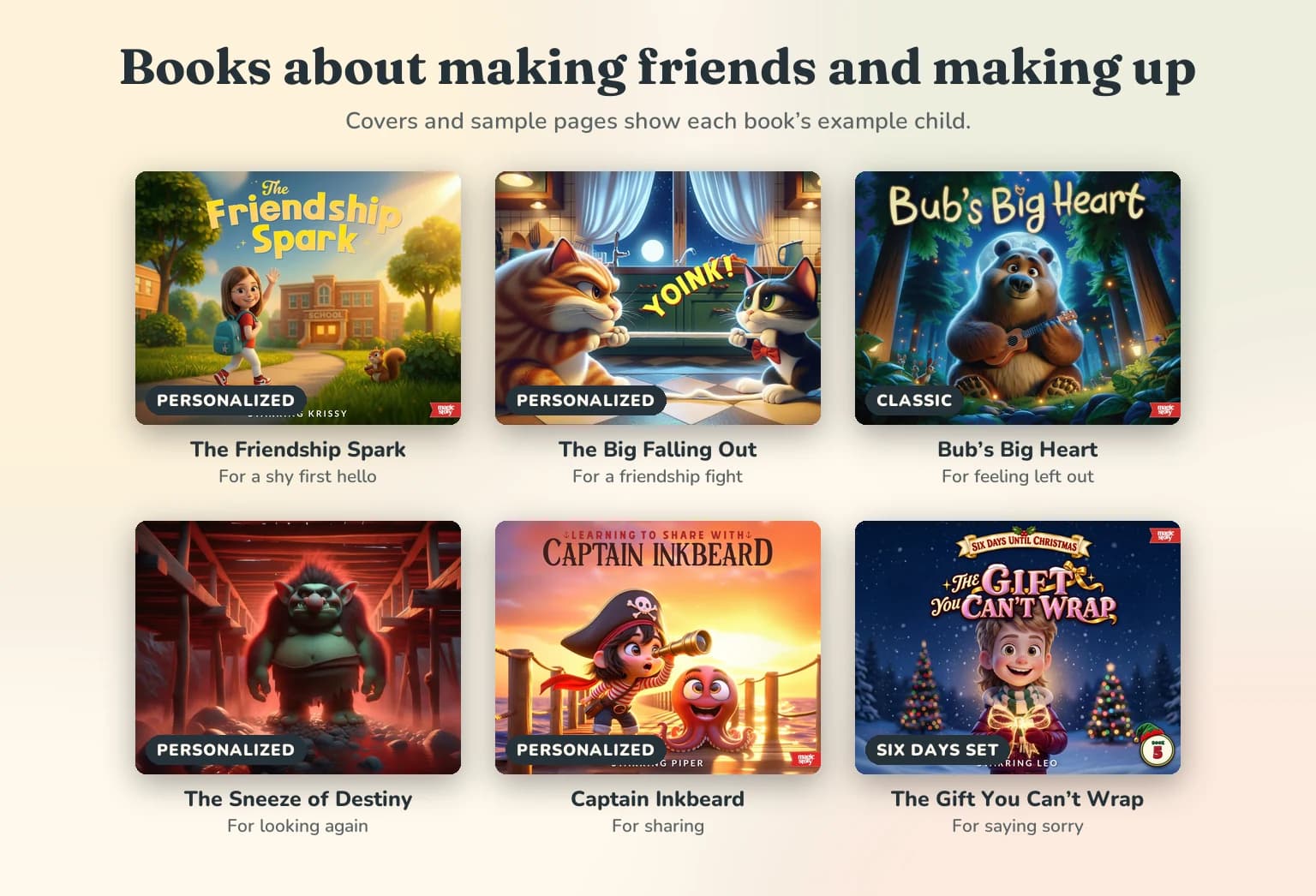
| Book | What happens | Personalized? | When it helps |
|---|---|---|---|
| The Friendship Spark | A shy child's first hello turns into a group of friends | Yes | A shy child or a new playground |
| Socks & Tuxedo: The Big Falling Out | Two cat friends fight, and your child helps Socks find Tuxedo | Yes | After a friendship fight |
| Bub's Big Heart | A huge, gentle bear wishes the forest animals would give him a chance | No, it's a classic | Feeling left out, or judging too fast |
| The Sneeze of Destiny | Your child asks an angry troll what's wrong | Yes | When someone is unkind |
| Learning to Share with Captain Inkbeard | A pirate who never shares learns what sharing brings | Yes | Sharing and taking turns |
| The Gift You Can't Wrap | Hurtful words, a real apology and forgiveness | Yes, in the Six Days set | Saying sorry and forgiving |
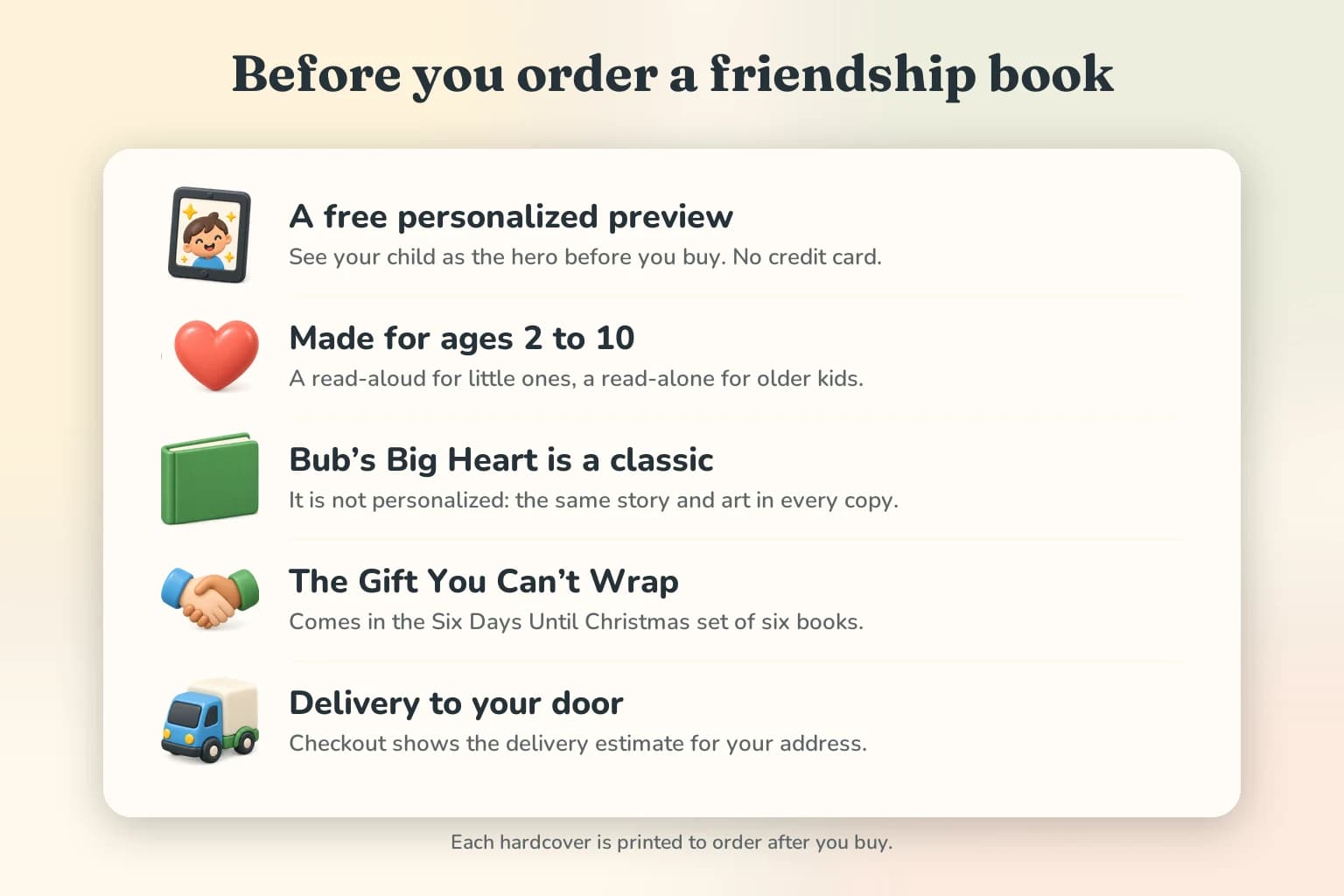
The standard US one-time hardcover price for a personalized book is $44.99, plus shipping and tax. Classics have their own price on their product pages, and The Gift You Can't Wrap comes only in the Six Days Until Christmas set, which has its own price on the Six Days Until Christmas page. Shoppers in other countries see their own price at checkout.
How do I help a shy child make friends?
Practice the first step before the playground does. A shy child often knows what they'd like to do; the hard part is starting. That's the whole story of The Friendship Spark.
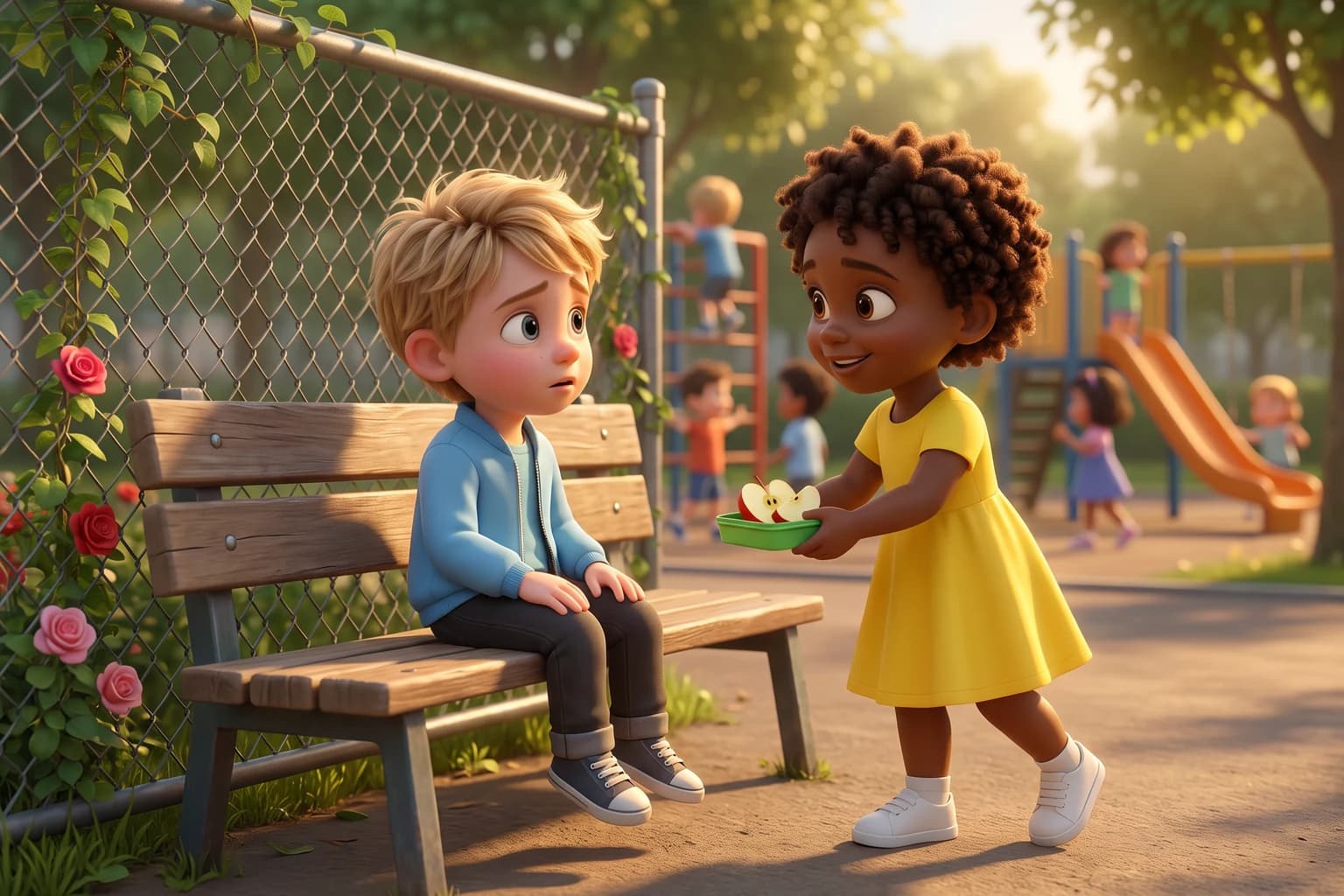
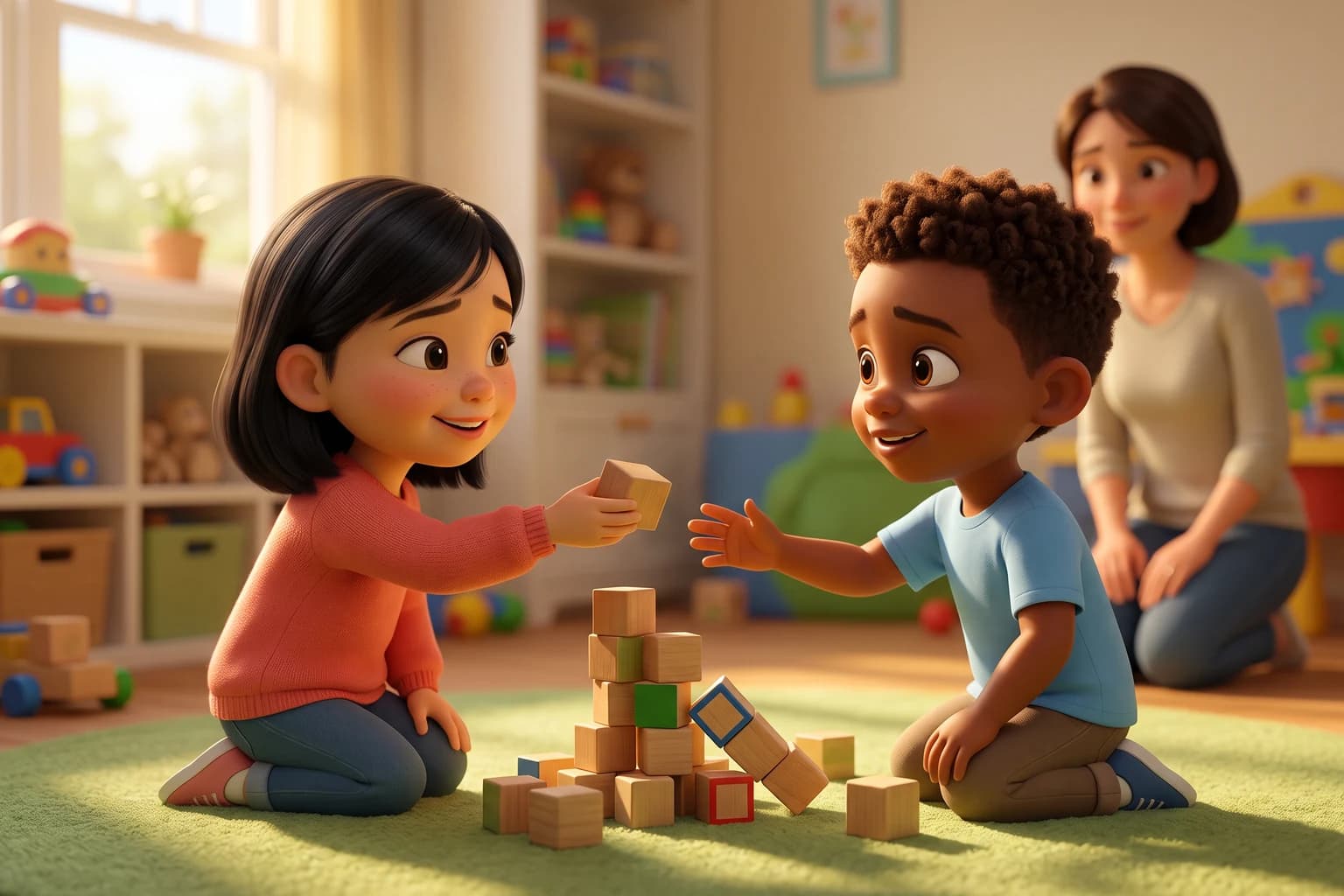
At recess, kids zoom and giggle on the swings while the hero stands in the corner and quietly sighs. Then they remember a tip from their heart: to make friends, you just have to start. So they smile real wide, wave at a girl spinning in circles and ask, "Hi, want to play?" She says yes. Soon the hero notices a boy by the big oak tree, sitting alone, and later a girl named Lily who slips in the mud while some kids point and giggle. Each time, the hero chooses to step in.
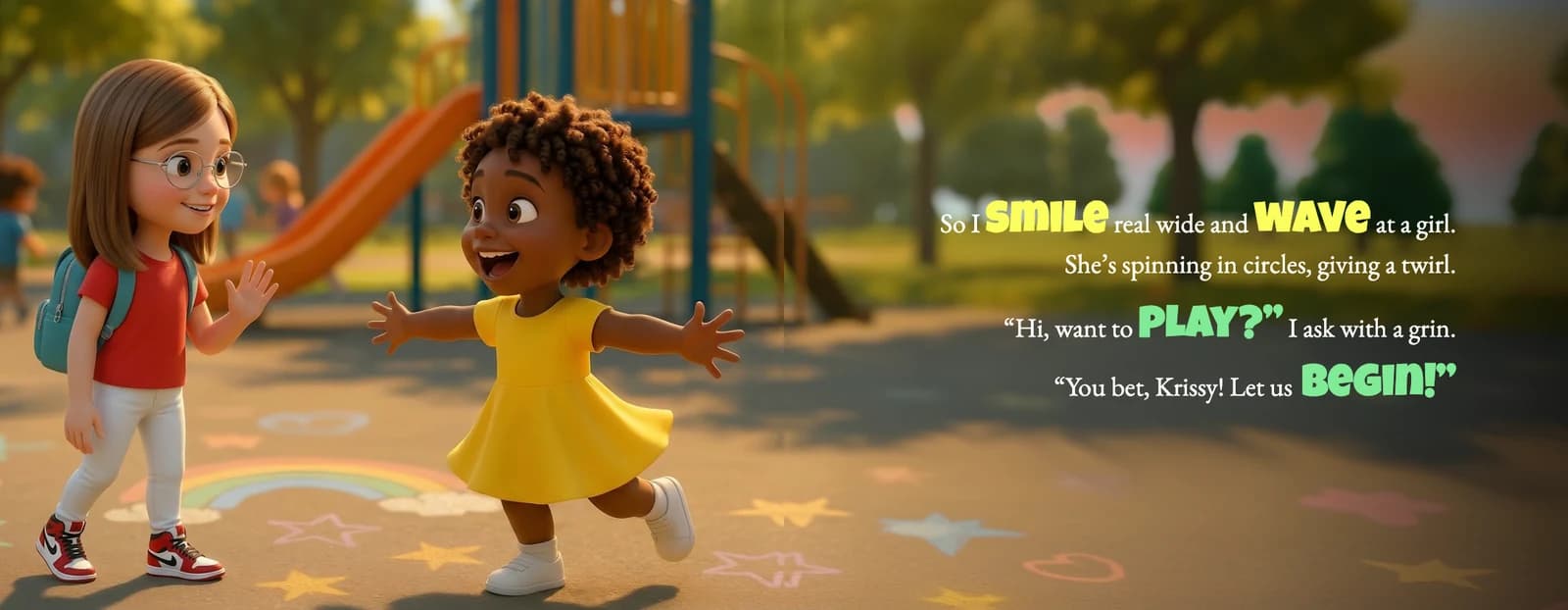
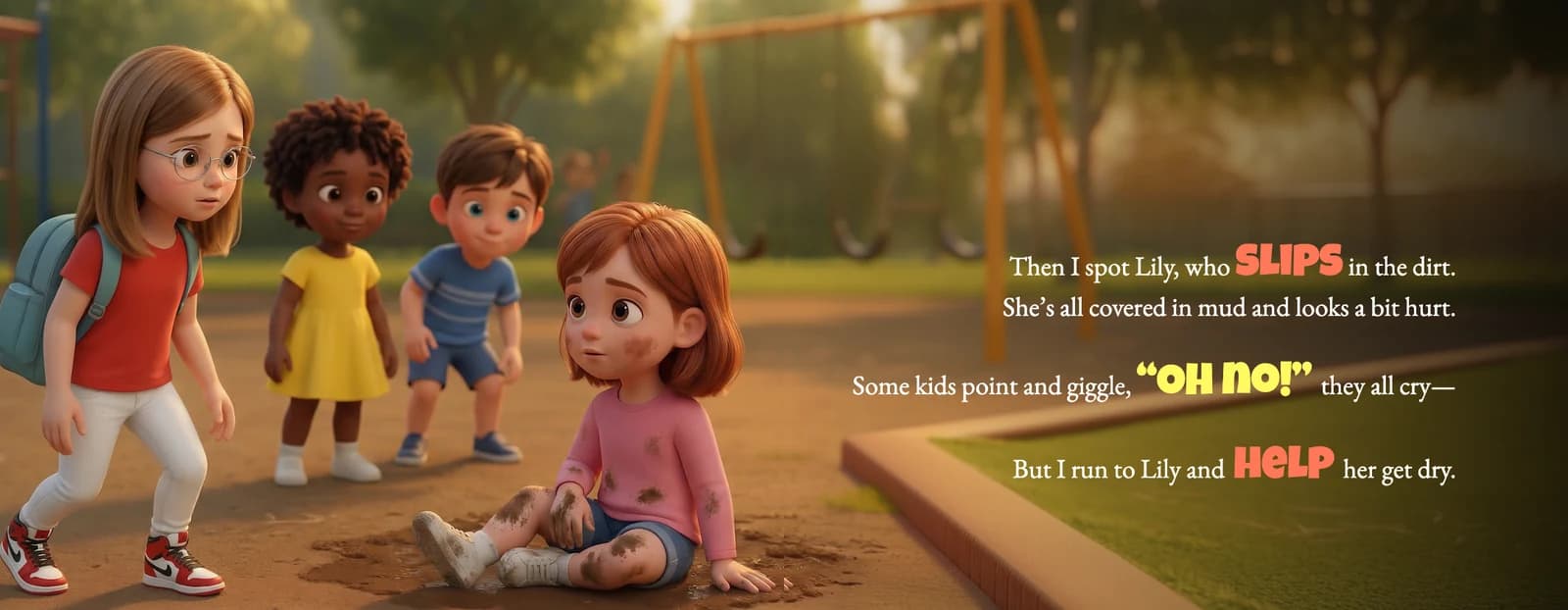
Because the book is personalized, your shy child is the one who says hello. After reading, try the moment for real: take turns being the child who waves and the child who answers. It gives your child words they've already said out loud once. See The Friendship Spark.
What books help when a child feels left out?
In Bub's Big Heart, Bub is a very big bear with an even bigger wish to make friends. He loves to frolic and tumble, but his big feet make the ground shake, and the other animals scatter. He tries walking softly on his tippy-toes. He tries a flower on his nose and waving his big old paws. "But all the other animals saw were his teeth and razor claws!"
A wise old owl tells Bub what he's noticed: "You'd never hurt a soul, but sometimes folks judge by what they think they know." The next day, a breeze keeps lifting the animals' picnic blanket, and Bub quietly lays it flat with his big, gentle paws.
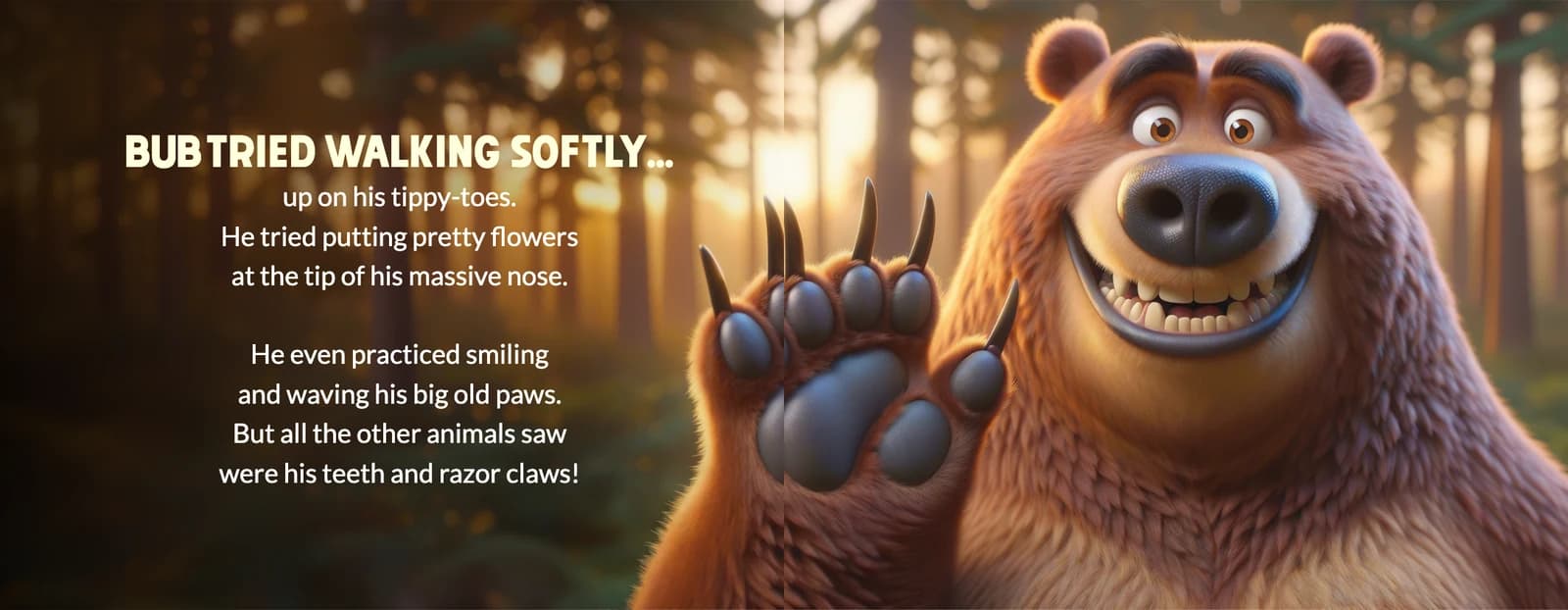
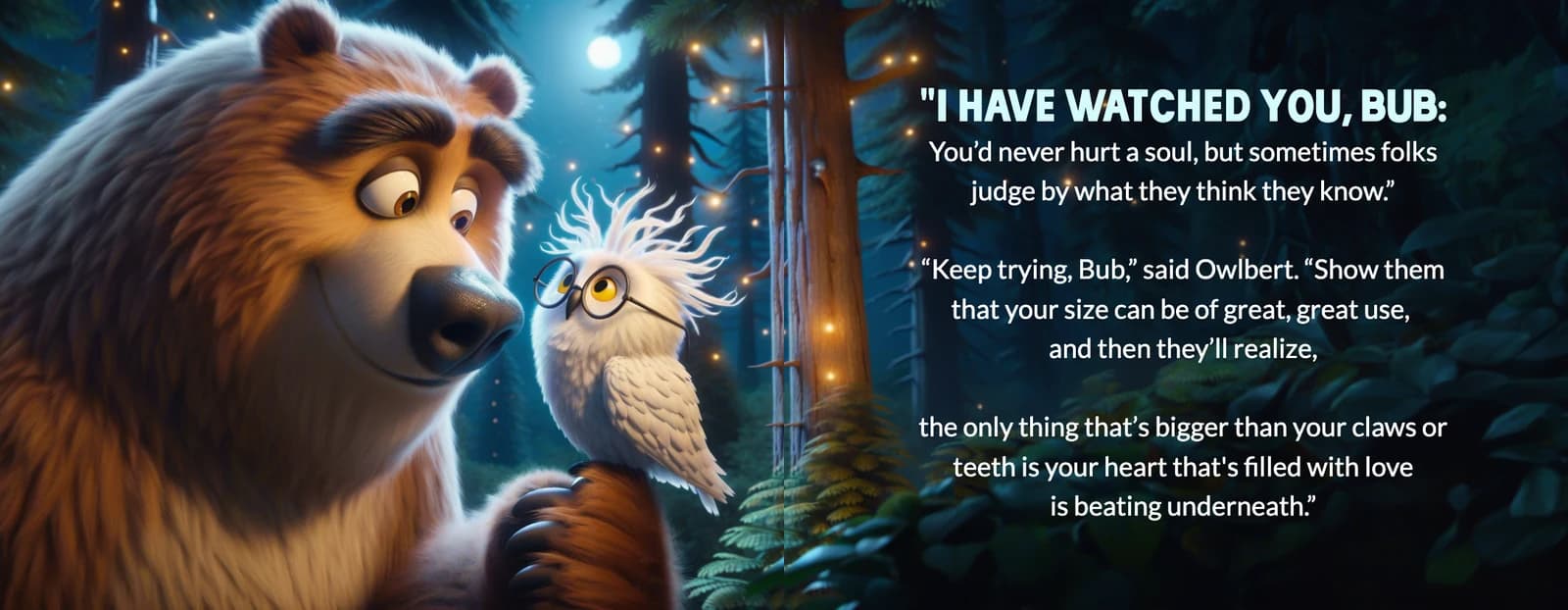
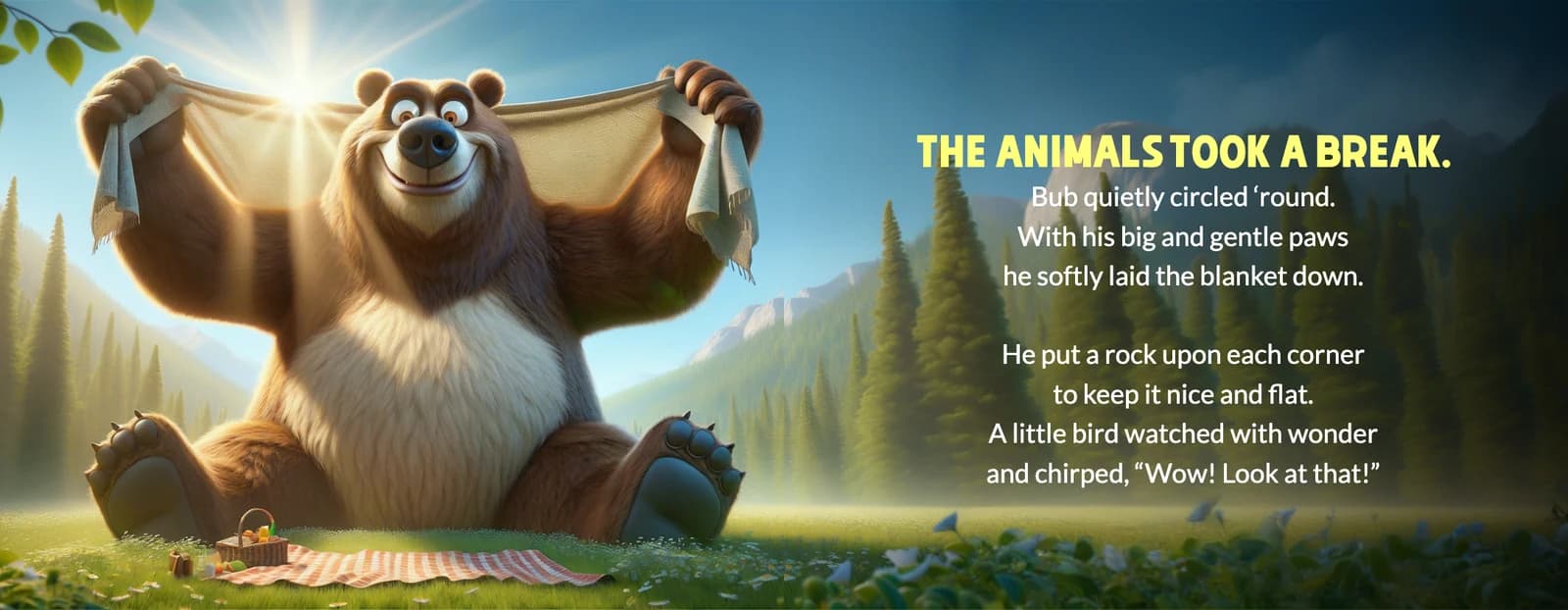
Bub's story works from both sides. A child who has felt too big, too loud, too quiet or simply different will recognize Bub, and a child who has left someone out can see what it's like for him. Bub's Big Heart is one of our classics. It is not personalized: the story and art are the same in every copy. See Bub's Big Heart.
Books about friendship fights and making up
Socks & Tuxedo: The Big Falling Out begins one night when the humans bring home a new ball of yarn. Tuxedo wants to share, but Socks yanks it away: "I get it first, because I was here first." Tuxedo starts to wonder whether Socks is more important than him, and whether he really belongs. The next day, Tuxedo is nowhere to be found. Socks finds a note: Tuxedo has gone to find somewhere he can be special too.
At first Socks has all the toys to himself. Then he gets very, very, very bored. "Playing was much more fun with Tuxedo." Socks has to find his friend, but he can't do it alone, so he asks his neighbor for help. That neighbor is your child, who joins the search across town.
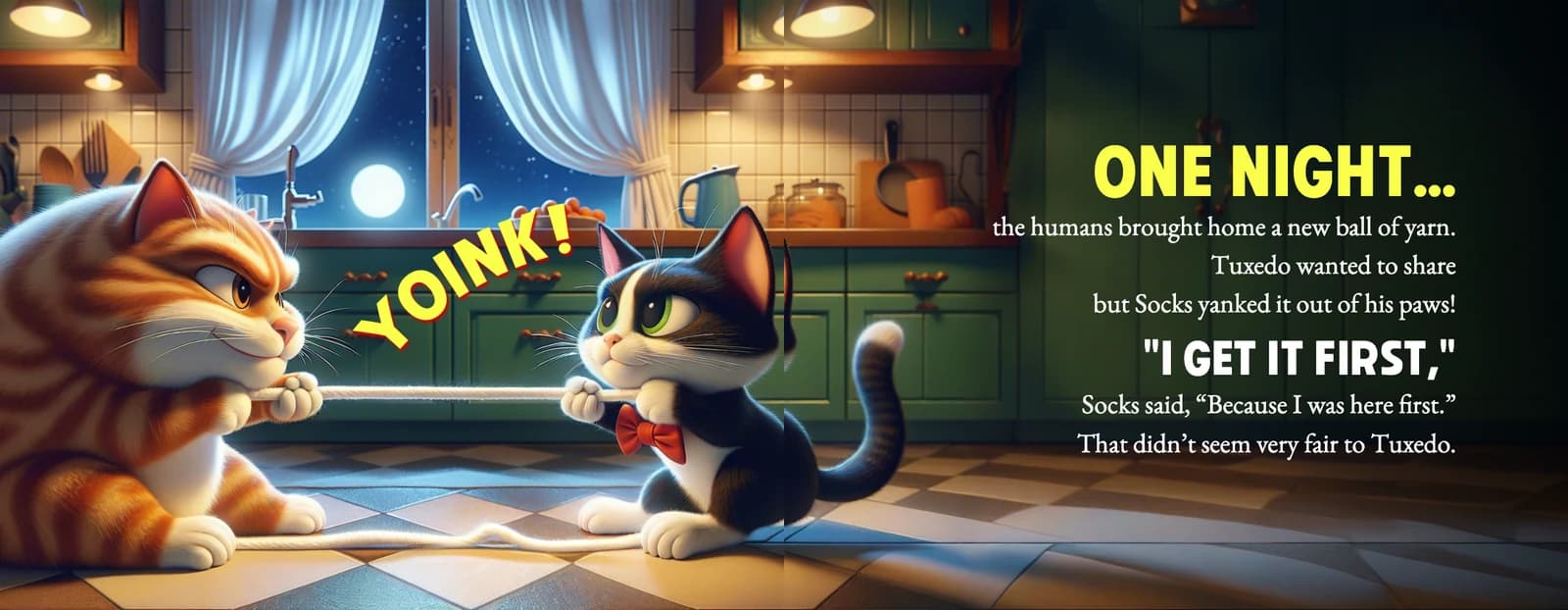
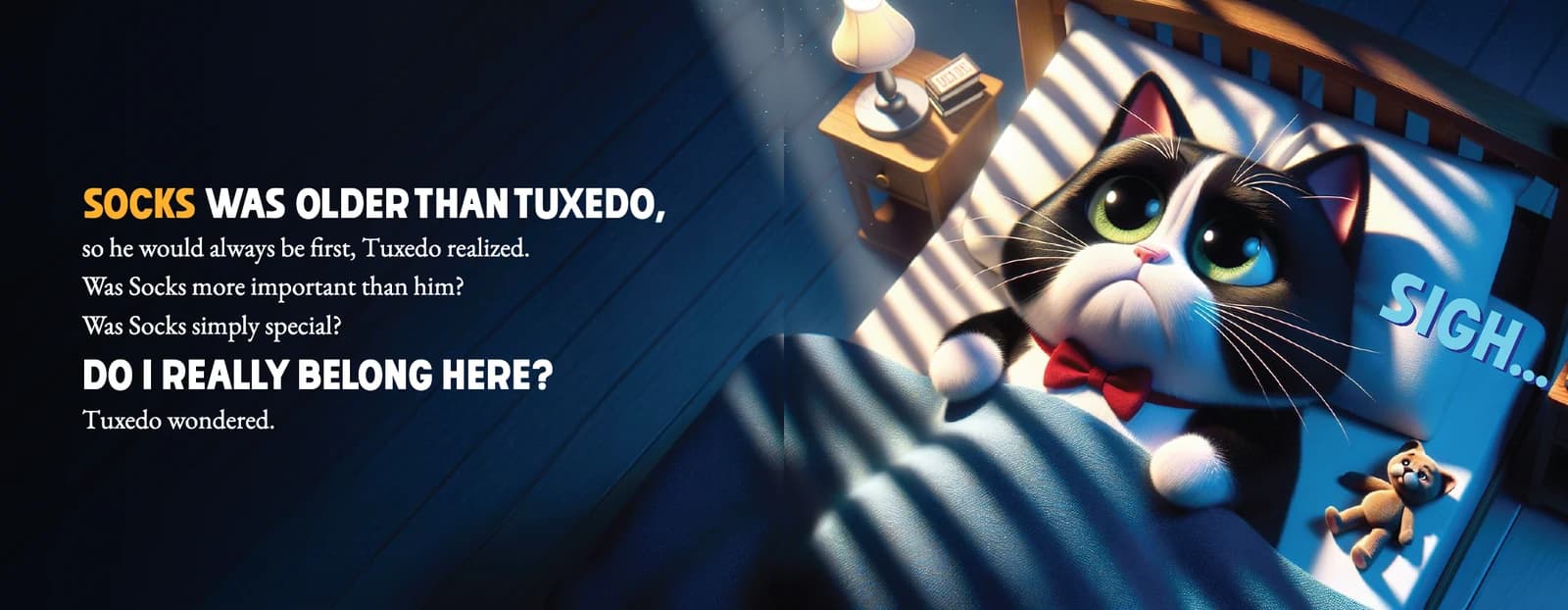
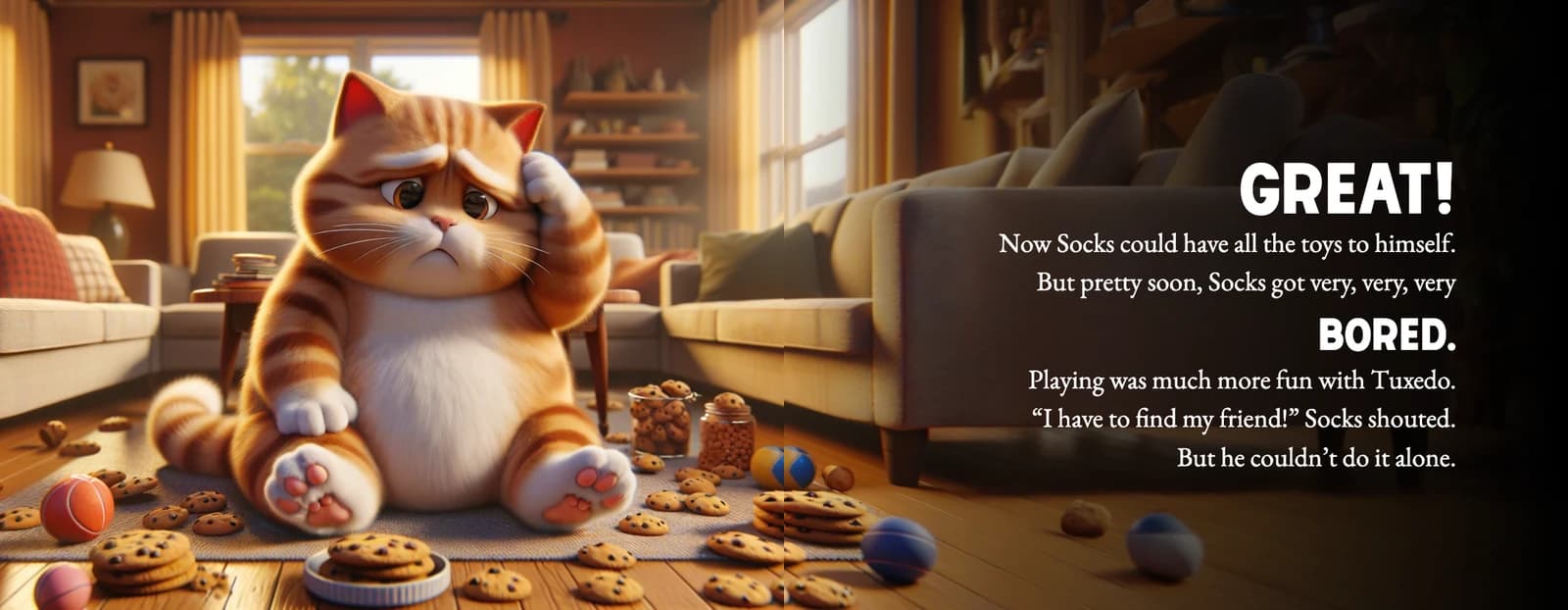
The book makes a fight feel specific and fixable. Children see that being angry with someone and caring about them can both be true, and it opens a natural conversation about pride, asking for help and apologizing. It also works for siblings who squabble over who gets something first. See Socks & Tuxedo: The Big Falling Out.
What books help when a friend is being mean?
Look for stories that separate what someone does from why they're doing it. In The Sneeze of Destiny, your child and Buddy the dog tumble through a fairy door into a land of wizards and castles, where villagers say a dragon keeps attacking. On the quest, an angry troll blocks the bridge. Instead of fighting, Buddy nudges the hero: "Maybe ask why he's cross?" The troll is surprised. "No one's ever asked me that." People stomp over his bridge all day, and he can't get any sleep. Your child helps muffle the noise, and the troll gives them a compass that will always lead them home.
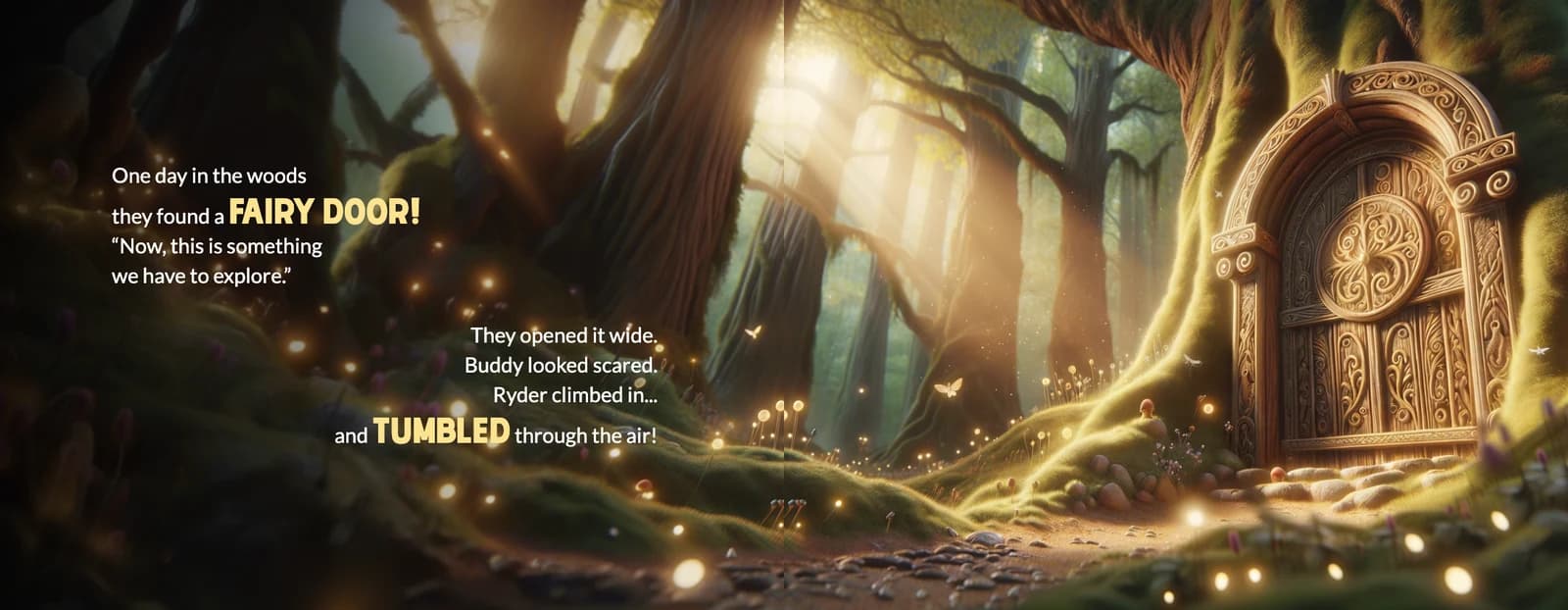
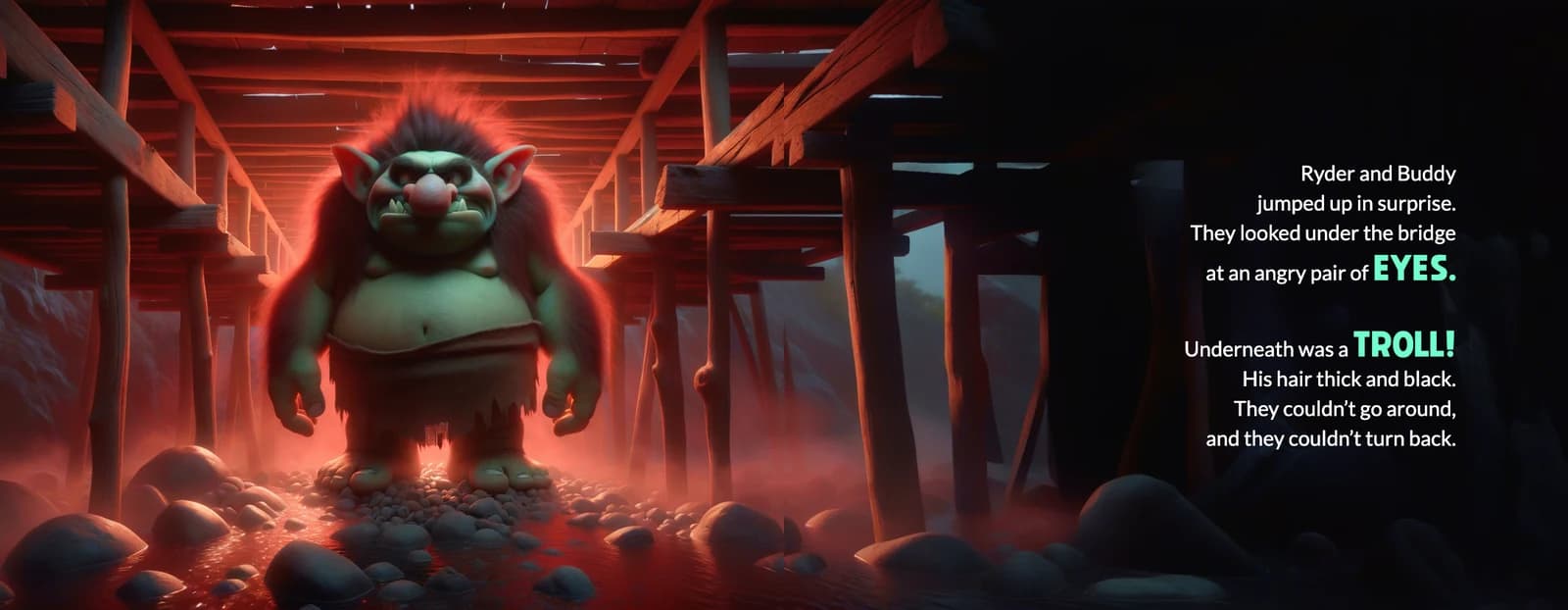
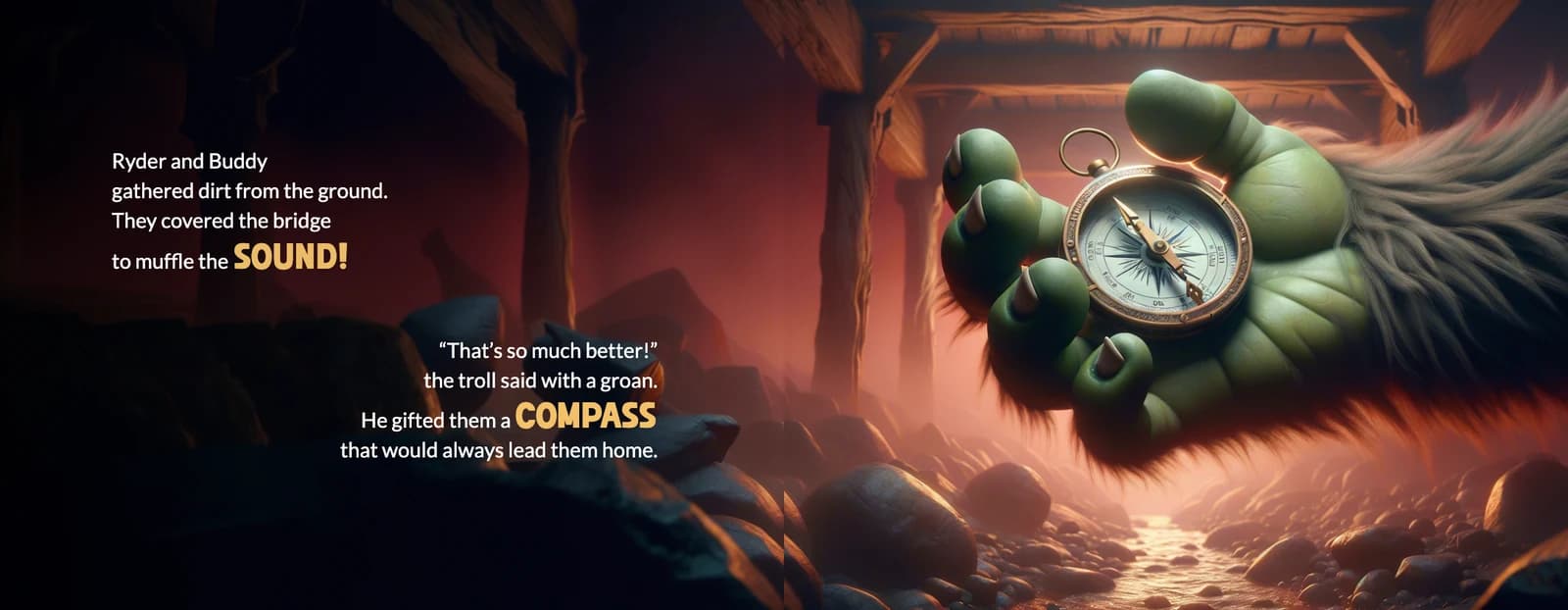
The point isn't that unkind behavior is fine. It's that asking "what's wrong?" can change a conflict. After reading, talk about both halves: why someone might act cross, and what your child can do when someone hurts their feelings, like telling a grown-up or walking away. Read more in our guide to The Sneeze of Destiny, or see The Sneeze of Destiny.
Books about saying sorry and forgiving
The Gift You Can't Wrap is Book 5 of Six Days Until Christmas, read on December 23. Your child and their best friend, Eli, are building the best snow fort ever. The walls keep falling, Eli gets grumpy, and then he says it: "You always mess stuff like this up." At the bus line, Eli mumbles, "I'm sorry about what I said." Your child almost says it's fine, but it isn't fine, and the ride home is very quiet. Then the doorbell rings, and Eli is on the porch with red eyes, a real apology and a gingerbread man with only one foot.
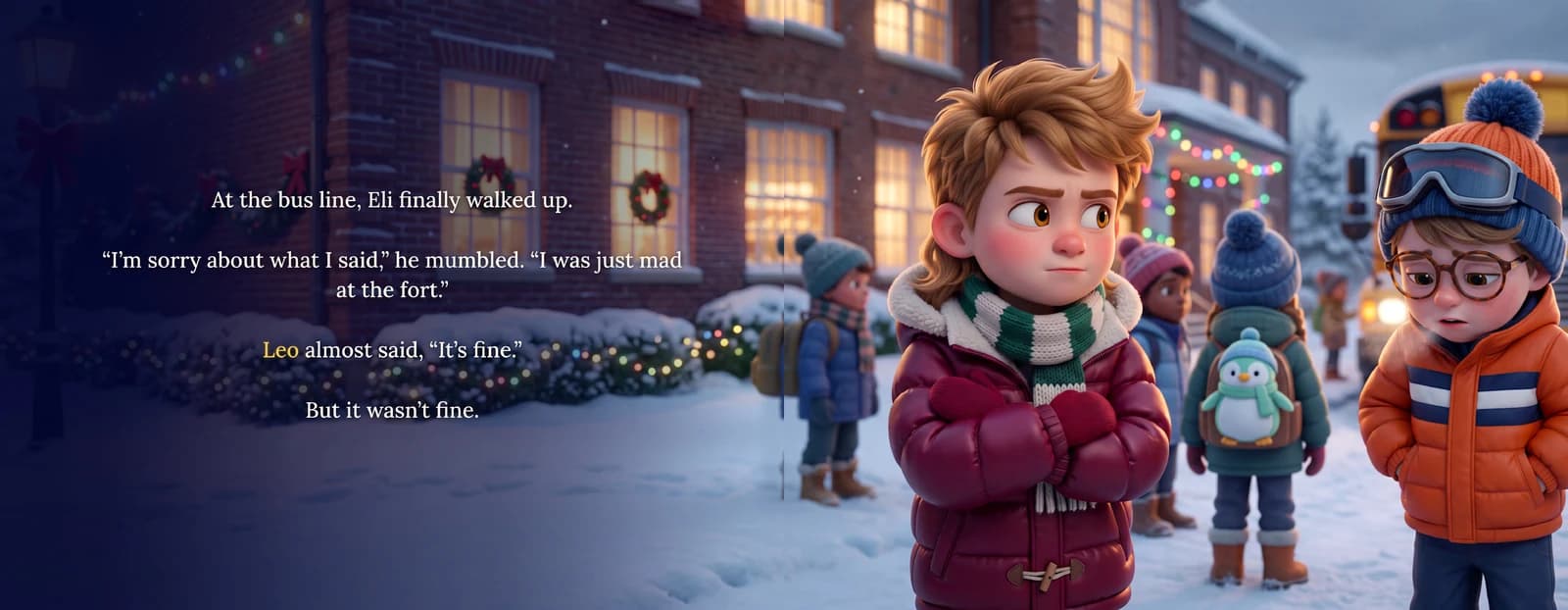
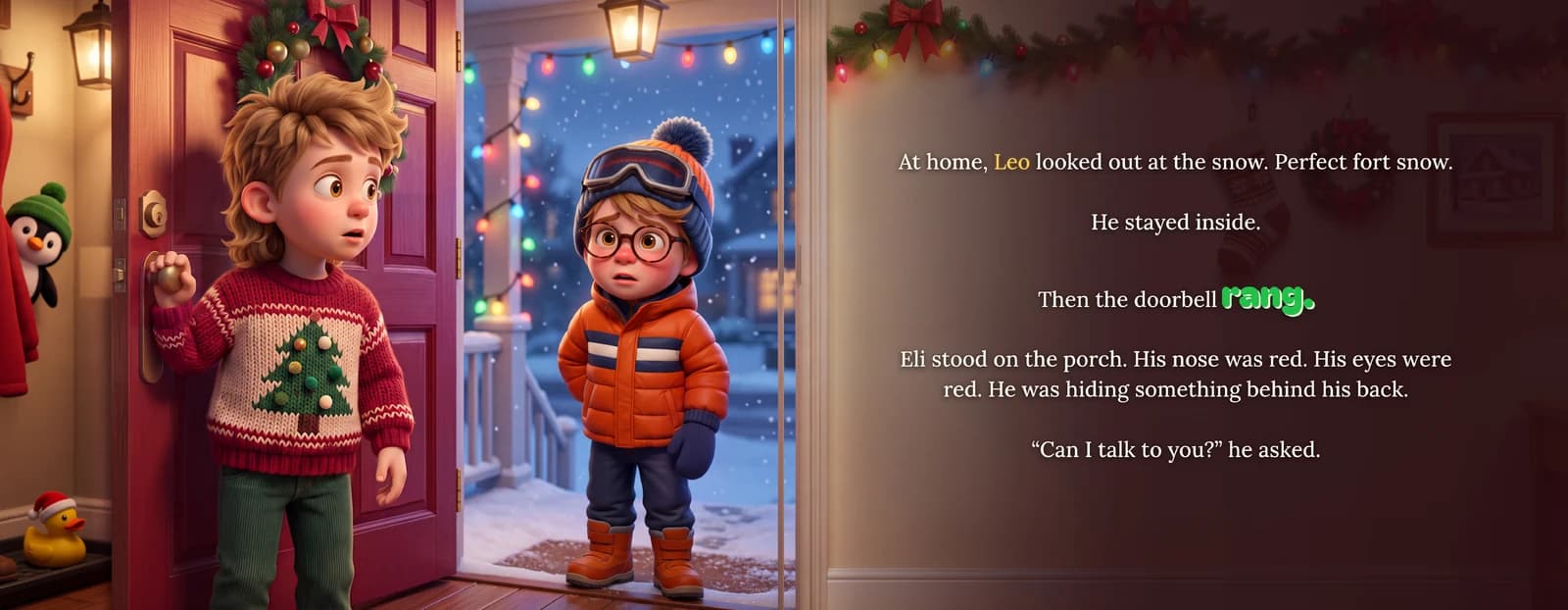
It shows children that hurt feelings are real, that a mumbled sorry and a true one are different, and that forgiving can feel like taking off a wet snowsuit. The Six Days Until Christmas books are sold only as the complete set of six, for ages 3 to 10, so The Gift You Can't Wrap comes with the other five. See Six Days Until Christmas.
Books about sharing
In Learning to Share with Captain Inkbeard, your child's prized boat, the Sandy Pearl, has been pinched, and none of the other kids will help. "They're mad because I never share. But that's just the pirate life!" Then an octopus with an eye patch appears: Captain Inkbeard, shipwrecked and looking for a way home. He suggests asking the seagulls for help and offering them some bread. "But that sounds like sharing." The seagulls love the bread, and it feels kind of nice.
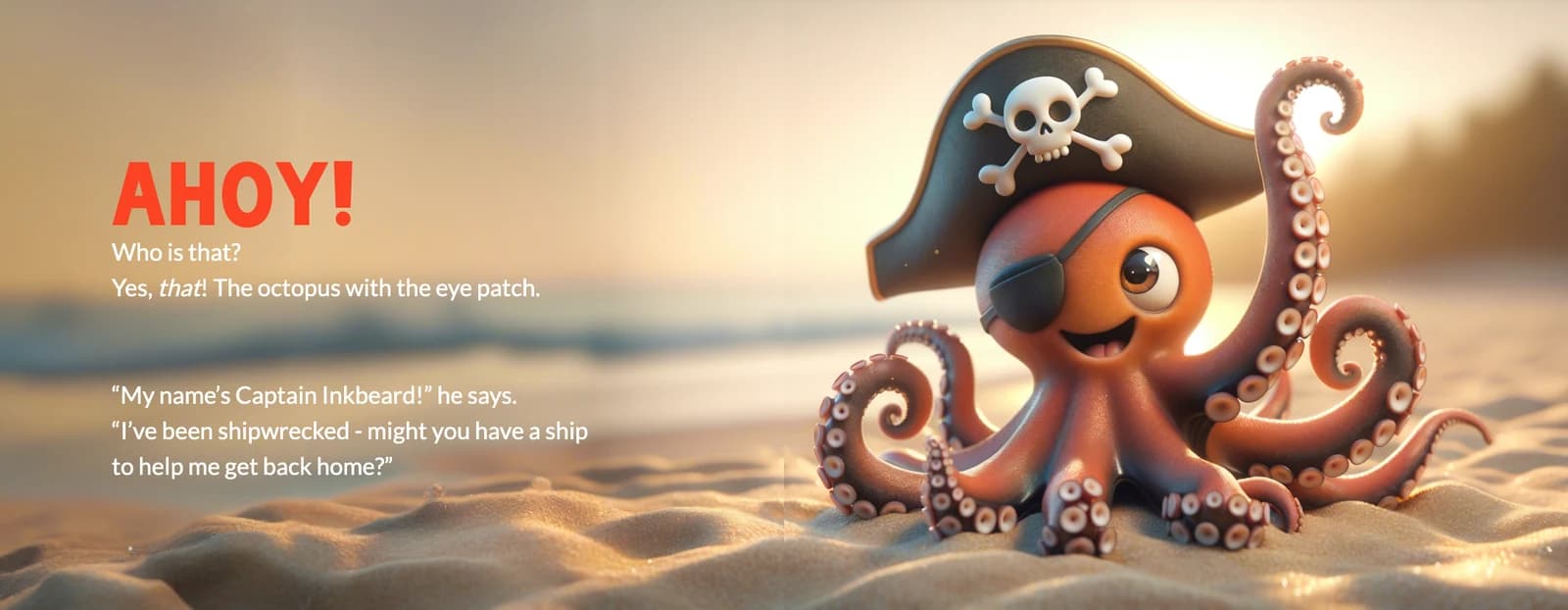
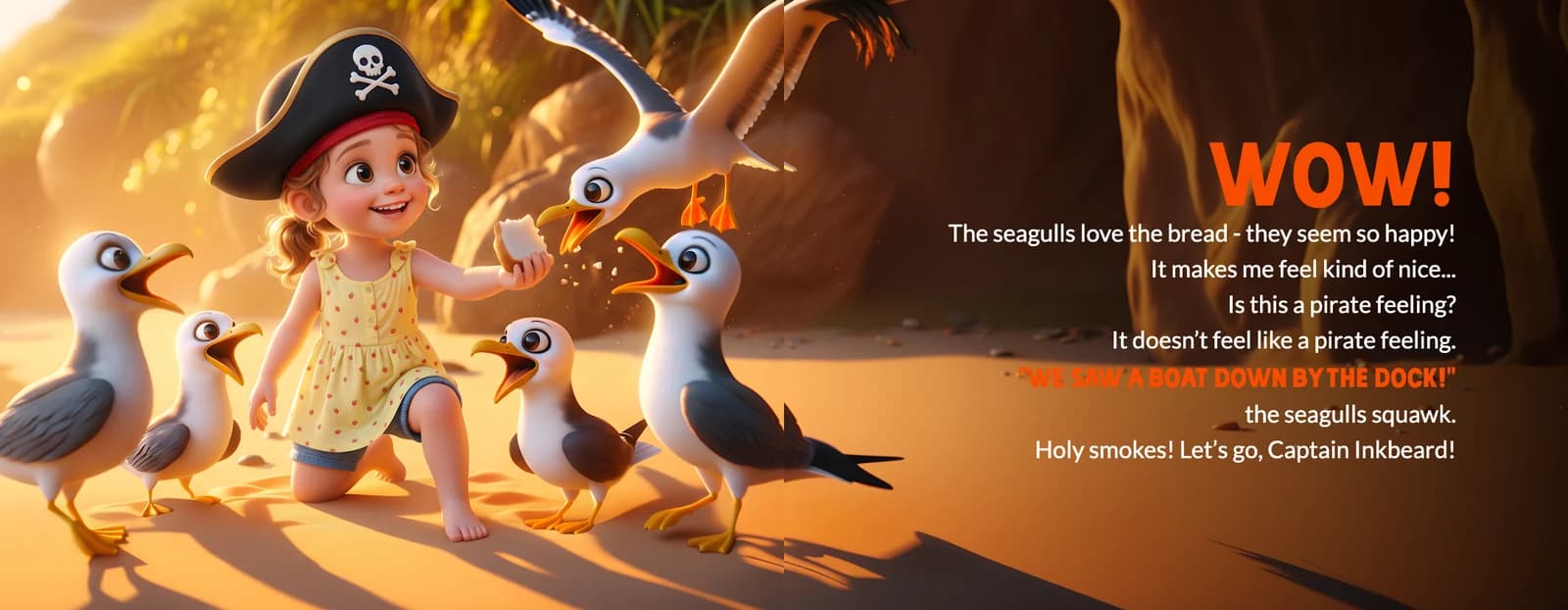
The pirate plot keeps the lesson moving without labeling your child as selfish. Read more in our guide to Captain Inkbeard, or see Learning to Share with Captain Inkbeard.
Six friendship skills, one page each
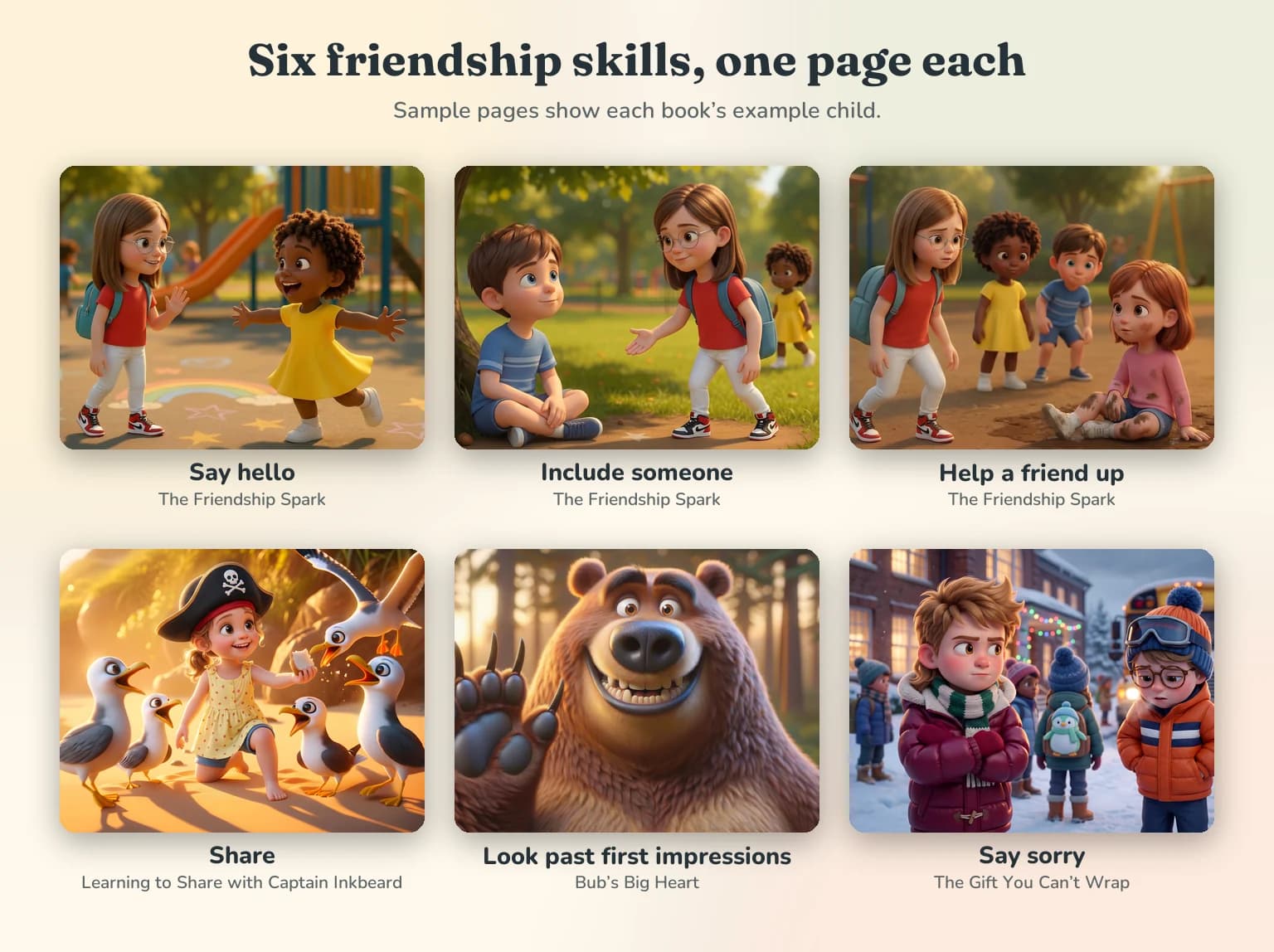
Friendship is a set of small skills, and each of these books practices one. If your child is working on a particular skill, start with the book that shows it, then point to the page when the moment comes up in real life: "Remember when Lily slipped? What did they do?"
Friendship books for preschool and kindergarten
Between about three and five, children start choosing friends of their own. The American Academy of Pediatrics describes how preschoolers begin drifting toward certain kids and developing friendships, and how three-year-olds can work out disputes by taking turns or trading toys, with grown-ups encouraging that cooperation at first.
The Friendship Spark is a back-to-school story, so it fits the start of preschool or kindergarten especially well. If your child is also starting a new school, First Day Hooray! walks them through the first day, from the worry about snacks to finding a friend at the paint table.
How to talk about a friendship problem at home
When your child comes home upset about a friend, a book gives you a way in that doesn't feel like a lecture. A few steps, drawing on the American Academy of Pediatrics' advice on helping preschoolers resolve conflicts:
- Name the feeling. "It sounds like you felt left out, like Bub."
- Give them the words. The AAP suggests helping children with the words to use, so they can ask instead of grabbing or shouting.
- See the other side. Remind your child of a time someone treated them that way, then talk about a kinder way to handle it.
- Apologize once it makes sense. The AAP suggests asking a child to apologize once they understand what went wrong, not before. A sorry means more when a child knows what it's for.
- Plan the next small step. A wave tomorrow, an invitation to play, or a drawing slipped across the table, like Eli's sad snowman.
How does a personalized book work?
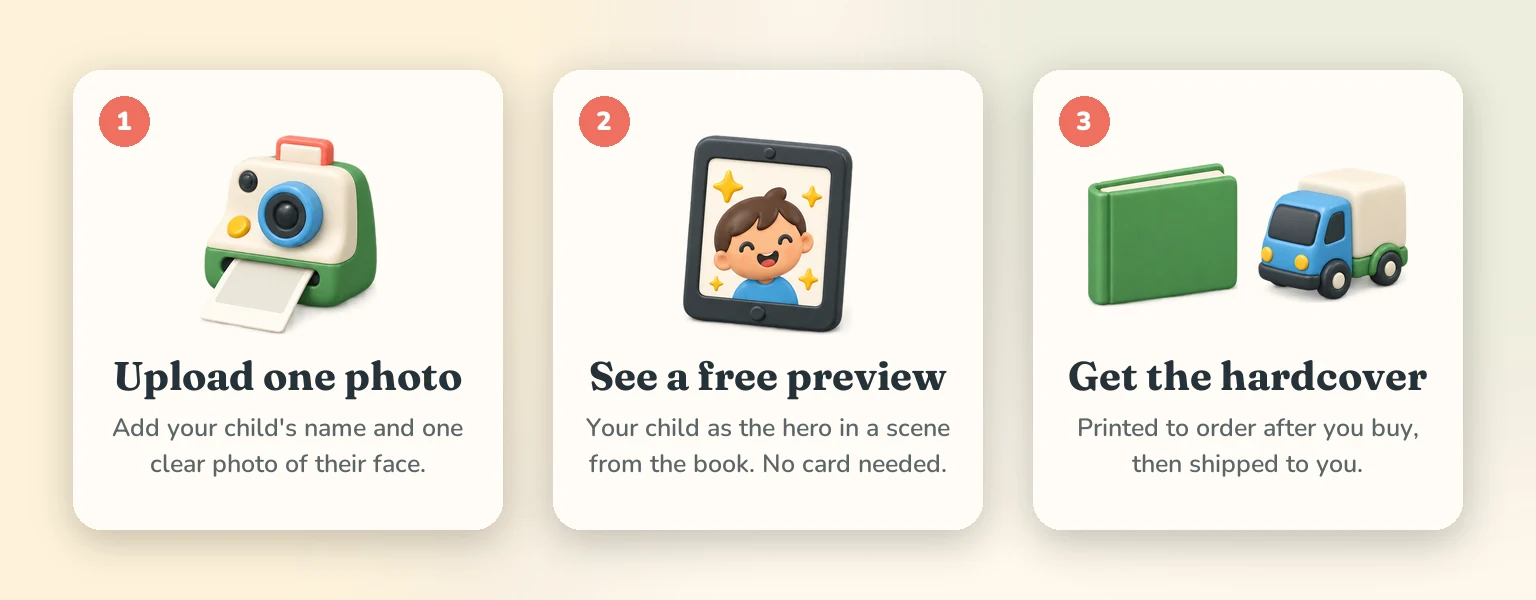
- Upload one clear photo and add your child's name. Your child becomes the illustrated hero, and the story uses their name.
- See a free personalized preview before you buy. No credit card is needed. The preview shows your child in a scene or on a cover from the book, not every page; our Help article on the free preview explains what you'll see.
- Get the hardcover. Each book is printed to order after you buy, then shipped to the address you choose.
In the US, Standard delivery takes 5 to 10 business days from order to arrival, including printing, and Expedited takes 5 to 8. These are estimates, not guarantees, and checkout shows the estimate for your address. Buying for a friend's child? Our Help article on buying a book as a gift explains how to get the photo and the address right.
Sources
- American Academy of Pediatrics, HealthyChildren.org: Social Development in Preschoolers: Learning How to Share & Cooperate
Questions parents ask
What are the best children's books about making friends?
Pick the book that matches the problem. From our own library: The Friendship Spark is about a shy child's first hello on the playground. Socks & Tuxedo: The Big Falling Out is about a fight between friends and the search to make it right. Bub's Big Heart is about a gentle bear nobody gives a chance. The Sneeze of Destiny is about asking why someone is cross, and Learning to Share with Captain Inkbeard is about sharing. This is a guide to our own books, not an independent ranking.
What books help a shy child make friends?
Books that show the first small step. In The Friendship Spark, the hero stands in the corner at recess, remembers that to make friends you just have to start, then smiles, waves and asks a girl to play. Because the book is personalized, your shy child sees themselves take that step, which gives you something concrete to practice before the next playground moment.
What are good children's books about friendship fights and making up?
Socks & Tuxedo: The Big Falling Out starts with a fight over a new ball of yarn and Socks insisting he gets it first. When Tuxedo disappears, your child joins the search and helps Socks get past his pride and ask for help. For a winter read, The Gift You Can't Wrap, from the Six Days Until Christmas set, follows two best friends through hurtful words, a real apology and forgiveness.
What books help when a friend is being mean?
Books that separate the behavior from the reason behind it. In The Sneeze of Destiny, an angry troll blocks a bridge, and instead of fighting, the hero asks what's made him so cross. It turns out people stomp over his head all day. It helps children see that unkind behavior often has a cause, while you still talk about what to do when someone hurts their feelings.
What are good children's books about saying sorry?
The Gift You Can't Wrap is about two best friends: one says something hurtful, apologizes at the bus line, then comes to the door with a real apology and a gingerbread man with one foot. It shows that hurt feelings are real and that a true sorry matters. It is Book 5 of Six Days Until Christmas, sold only as the complete set of six.
Are these good friendship books for kindergarten?
Yes. Magic Story books are written for ages 2 to 10, and The Friendship Spark is a back-to-school story about finding your place on the playground, which suits preschool and kindergarten especially well. Younger children enjoy the books as read-alouds, and older children can read them on their own.
Is Bub's Big Heart personalized?
No. Bub's Big Heart is one of our classics: the story and art are the same in every copy, and Bub the bear is the star. The Friendship Spark, The Big Falling Out, The Sneeze of Destiny and Learning to Share with Captain Inkbeard are personalized with your child's photo and name.


