Learning to Share With Captain Inkbeard: A Pirate Story and Playdate Ideas
A missing toy boat begins Captain Inkbeard's adventure. Pair the story with practical ways to handle turns, special toys, and playdate disagreements.


In this article
"Mine" is a short word with a lot behind it: I was using that. I am afraid it will break. I don't know when I will get it back.
Before asking a child to share, it helps to know which problem you are trying to solve. Two children both wanting the same toy need a plan they can understand, not a verdict on who is generous.
A missing boat starts the adventure
In Learning to Share with Captain Inkbeard, the child's prized toy boat disappears. A pirate search with Captain Inkbeard brings clues, treasure, and choices about sharing.
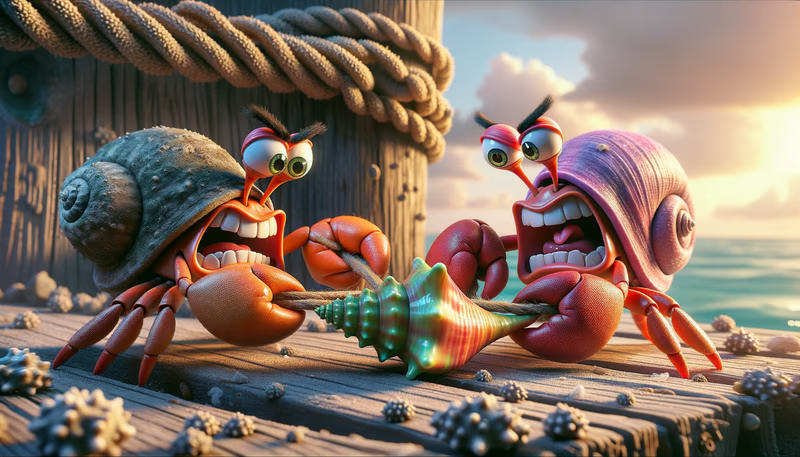
Your child's name and illustrated likeness appear in the story. Read it because the pirate adventure looks fun. The missing boat gives you something concrete to discuss: who wants a turn, and what could they agree on?
Before the next playdate
Ask your child whether there are a few special things they want to put away. Agree on which toys visitors can use. If possible, set out activities with enough materials for everyone: paper and crayons, blocks, or a pretend picnic.
Explain the plan to visiting children too. A possession being private is different from a child grabbing every shared toy.
When grandparents host, tell them the plan before the children arrive. A favorite toy does not become less important because an adult thinks it should be easy to hand over.
Make turns visible
Use plain words: "Maya is using the boat. You can ask for a turn when she finishes." Stay nearby if children need help following the agreement.
A timer can help if everyone understands and accepts it, but it is not required. Avoid promising an immediate turn you cannot actually provide. Help the waiting child choose something else instead of leaving them to hover over the toy.
For something that must be shared now, explain the reason and offer a workable choice. Two children building one railway might each choose a piece, then decide together where the track goes.

Bring the book into conversation gently
After reading, ask, "Which treasure would you keep safe?" or "What could the pirates play together?" These questions make room for both ownership and company.
If your child brings Captain Inkbeard into a game, follow their idea. A pirate crew might need a plan for taking turns at the helm.
When sharing goes badly
Stop grabbing or hitting and attend to the child who needs help. Once calm, explain what happened in a sentence: "You wanted the boat, and you took it out of her hands."
Help with the next action: return it, ask for a turn, or repair something damaged. Our guide to big emotions has more language for holding a limit without shaming a child.
A successful playdate does not require every toy to change hands. Sometimes it means the children find a game they both want to keep playing.
Questions parents ask
What is the story about?
The child searches for a prized toy boat with Captain Inkbeard in an adventure about sharing and friendship.
Does a child have to share every toy?
You can agree in advance which toys are for shared play and which personal possessions will be put away.
What can we try after reading?
Agree on a plan for turns, let the child set aside special toys before a playdate, or invent a game for the pirate crew to play together.


