How to Choose a Personalized Book as a Meaningful Gift
Choose a personalized book for a child’s interests, write a specific gift note, and prepare the name, photo, preview, and delivery details with care.

In this article
The most useful question when choosing a book gift is, “Why this story for this child?” You might have an immediate answer: they ask about space every evening, they take a baseball everywhere, or they enjoy looking at the moon with you.
That reason gives the gift a personal connection before a name is printed on the cover. Personalization can add to it, but the story and the thought behind your choice still matter.
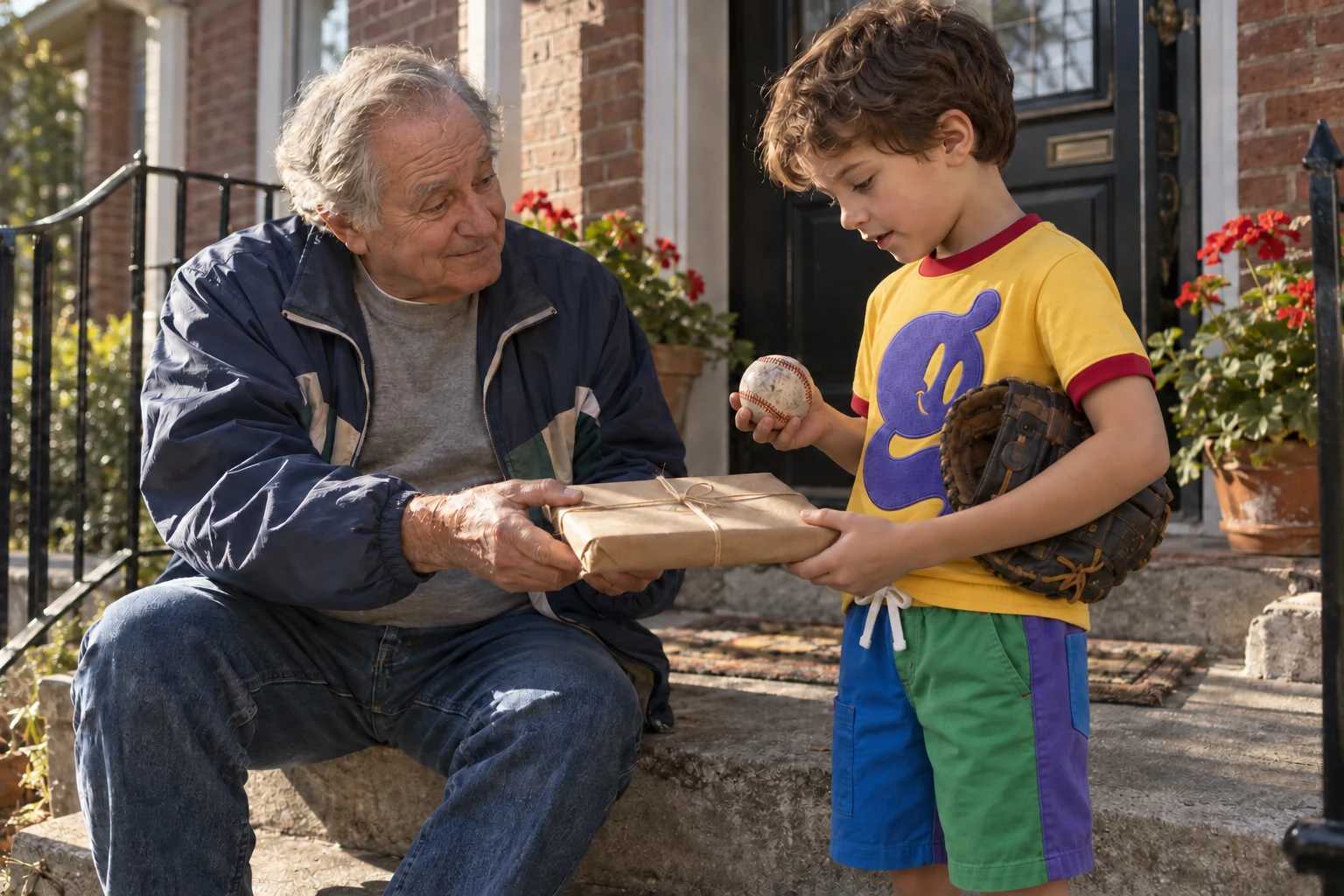
A well-chosen book and a brief personal note give you a simple way to say, “I thought of you.” That can suit a birthday, a family visit, or an ordinary day when you want to send something thoughtful.
Start with something you have noticed
Think about the child’s conversations and choices. Which shelf do they visit at the library? What do they point out on a walk? Which part of the day do they like telling you about?
If you are a grandparent who sees the child less often, ask the parent for a recent example. “What have they been talking about this week?” is easier to answer than “What do they like?”
Use that detail to narrow the choice. A book does not have to address a difficulty or teach a lesson to be worth giving. A subject the child enjoys is a strong starting point.
Read the story before deciding what it means
Look through the sample pages. Check the amount of text, the tone, and the scenes. Imagine reading it aloud to this particular child.
The Emotion Emporium, for example, takes its hero through rooms associated with different feelings, with a fox and a sloth as guides. You might choose it for a child who enjoys talking about characters and their expressions.

Introduce it with something you think they will enjoy: “I thought you might like exploring these rooms with me.” Follow their interest in a character, a picture, or the next part of the adventure.
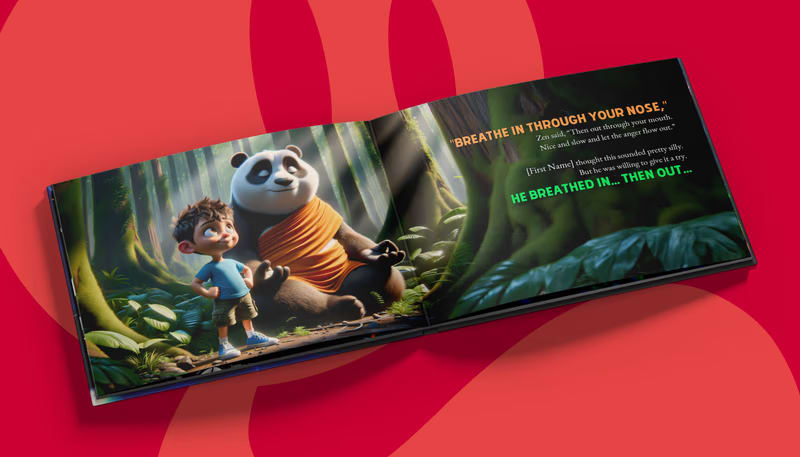
Zen and the Storm Inside explores anger through its characters. Look through the sample and consider the kinds of conversations your child enjoys having about a story. You might notice what a character does next and invite the child to share an idea.
Consider the family’s interests and traditions
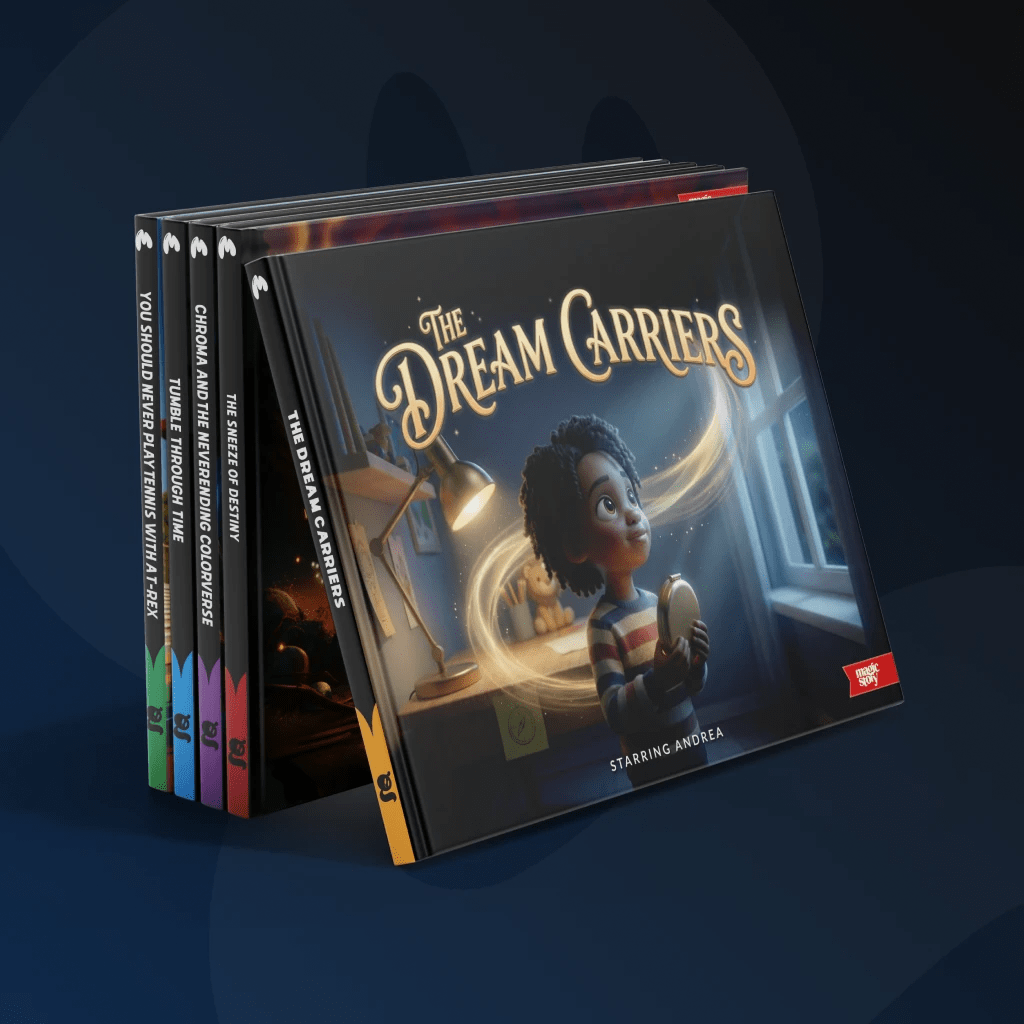
Books can connect with conversations already happening at home. The Dream Carriers introduces seven Black American trailblazers through a fictional adventure. You could read it together and follow a child’s question about one person with another book or a museum visit.
Ramadan Nights and Lantern Adventures follows a lantern-lit journey through Ramadan traditions, with Noor the star as a guide. If you are giving it to another family, ask whether it fits how they observe and discuss the occasion.
You do not need to guess at a family’s beliefs or make a gift carry the whole explanation of a tradition. A parent can help you choose a title that belongs in their home and tell you how they would like it presented.

Make the personal details accurate
Before you begin, get the child’s preferred name, a clear approved photo, and the delivery address. A nickname might be perfect, but check with the family rather than assuming.
For a photo-based character, review the illustration before ordering. Use the correction options if the result does not look right. Our gift-buying guide and preview guide explain the steps and distinguish the personalized preview from sample interior pages.
If you are not the child’s parent or guardian, get their permission before providing the child’s photo. If you would rather let the parents handle personalization, check the gift subscription option, currently available for US delivery.
Write a note only you could have written
A specific note does not need to be long. Mention what made you think of the child, or suggest something you can do together.
For example:
- “You always find the moon before I do. I chose this for our next evening walk.”
- “For the stories you tell me on the way home from school. I love hearing your ideas.”
- “I thought of our games in the garden when I saw this adventure.”
Adapt these sample messages with a real detail from your own relationship. You can write in a card or add your note after the book arrives, depending on how you want to give it.
“I love spending time with you” can stand on its own too. Write in your own voice, using the words you would say if you were handing the child the book.
Give the child room to enjoy it
A birthday party can be a busy place to read. The child may put the book aside, look only at the cover, or want the same page several times. You can offer to share it later without treating the first reaction as a judgment on your choice.
If you are sending the gift from far away, ask the parent whether there is a convenient time to read a little together on a call. Keep the plan flexible. A few pages and a conversation may be enough.
For a book you will read in person, try a simple invitation: “Would you like to hear this now or after lunch?” Then let the story be part of time together.
Check the delivery estimate before choosing the occasion you will give it for. Once the practical details are settled, the personal part can stay simple: you noticed something about the child and chose a story because of it.
Gift guides by who it's from and the occasion
If you already know who the gift is from or what it's for, these guides go further:
- From a grandparent: gifts for grandkids from grandparents, built around I Love You Grandma and I Love You Grandpa, which put you and your grandchild in the story together.
- From an aunt, uncle or godparent: gifts for nieces, nephews and godchildren, including how to ask the parents for a photo.
- From a child to a parent: Mother's Day gifts from kids and Father's Day gifts from kids, with books that show the child and the parent together.
- For a child and their pet: a book starring your child and their pet, with Two of a Kind and The Blame Bot.
- For the holidays: Valentine's Day books, Thanksgiving books, and the Six Days Until Christmas countdown, a set of six books read one each night before Christmas.
Sources
Questions parents ask
What makes a personalized book a thoughtful gift?
A clear reason for choosing that story for that child. Start with their interests or something you share, then make sure the name, character, and story details are right.
What can I write in a gift note?
Mention a real detail from your relationship or a plan to read together. A short, specific sentence is enough. If the book does not offer a printed dedication, use a card or write a note after it arrives.
What if the child does not want to read the gift immediately?
Put it aside and offer it at a quieter time. A busy birthday or family gathering may not be the moment they want a story, and there is no need to require a particular reaction.


