Personalized Children's Books: Why They Work and How to Choose the Best One
Discover why personalized children's books boost vocabulary and confidence - backed by research. Plus how to choose the best personalized book for your child.

11 min read | February 9, 2026 · Updated August 16, 2026

There's a moment every parent remembers. Your child opens a book, turns a few pages, and then freezes — eyes wide, mouth open, finger pressed against the page — because the character looking back at them is them. Their face. Their name. Their world.
It's not just cute. It's actually doing something powerful inside their brain.
Personalized children's books have gone from novelty gift to one of the fastest-growing categories in children's publishing, with the U.S. market reaching $661 million in 2024 and projected to surpass $1.1 billion by 2032. But the real question parents are asking isn't about market size — it's do these books actually make a difference?
The short answer: yes, but only when personalization goes beyond slapping a name on a generic story. Here's what the research says, why it matters, and how to find a personalized book that's truly worth your child's bookshelf.
What Makes a Personalized Children's Book Different?
A personalized children's book is any book customized to include details specific to your child — their name, appearance, interests, or experiences. But that definition covers an enormous range.
On one end, you have name-only books: mass-produced stories where a child's name gets dropped into blank spaces throughout a template. On the other end, you have deeply personalized books where the child's recognizable likeness appears throughout the story and the illustrations are built around who they are — not a cookie-cutter template.
This distinction matters more than most parents realize, because research shows that these two approaches produce very different results.
Magic Story (magicstory.com), a personalized children's book company founded by former Sony Pictures filmmakers, sits at the far end of that spectrum — using AI combined with Hollywood-level artistry to create Pixar-quality illustrations of each child as the hero of every story. But whether you're looking at Magic Story or any other brand, understanding the science helps you make a smarter choice.
What Does the Research Actually Show About Personalized Books?
The reason personalized books work isn't magic — it's a well-documented phenomenon in cognitive psychology called the self-reference effect, and it's a big part of why personalized stories drive engagement and learning.
The Self-Reference Effect in Children
When information is processed in relation to oneself, it's recalled more accurately and retained longer than information processed in relation to someone else. This isn't a new discovery — it's one of the most replicated findings in memory research.
What is relatively new is understanding how early this effect kicks in. Research published in Child Development by Cunningham (2014) examined 4-, 5-, and 6-year-old children and found a clear self-reference advantage in how they encoded and remembered information. Even more recent work, including a 2025 study in Nature Communications, suggests the roots of this effect may appear as early as age 2 — right when children develop mirror self-recognition.
In practical terms, a simple self-referencing instruction has been shown to improve children's recall performance by nearly 20%. When a child sees themselves in a story, they aren't just entertained — they're encoding the content more deeply.
What Kucirkova's Research Found About Vocabulary
Natalia Kucirkova, Professor of Early Childhood Education at the University of Stavanger and The Open University, has conducted the most rigorous research specifically on personalized children's books.
In a 2014 study published in First Language, Kucirkova and colleagues used a repeated-measures design with 18 preschoolers (average age 3 years, 10 months). Children read a picture book containing both personalized and non-personalized sections, with unfamiliar target words embedded in each. The result: children demonstrated significantly higher word acquisition in personalized sections compared to non-personalized ones.
A separate observational study (Kucirkova, Messer, & Whitelock, 2013) found that when parents read personalized books with their toddlers, both children and parents showed significantly higher frequencies of smiles and laughter, more vocal activity, and more reciprocal dialogue compared to reading non-personalized books — including the child's own favorite book.
That last finding deserves emphasis: personalized books prompted more engagement than the child's existing favorite book.
Engagement Goes Beyond Fun
The increased engagement isn't just about enjoyment. Children reading personalized books produced more spontaneous and self-referential speech — they talked more about themselves, their experiences, and their connections to the story. This kind of active verbal processing is directly linked to vocabulary development and language acquisition.
Research on narrative comprehension confirms why: personal identification with a story's protagonist creates what researchers call a "central route" to reader engagement. When children establish that personal connection, they achieve superior comprehension and emotional investment in the content.
The Critical Difference: Name-Only vs. Meaningful Personalization
Here's where many parents get tripped up — and where the research delivers its most important lesson.
Not all personalization is created equal. Scientists distinguish between nominal personalization (inserting a child's name) and substantive personalization (incorporating the child's photo, real appearance, specific interests, and meaningful personal details).
Name-Only Doesn't Cut It
A peer-reviewed study published in Early Childhood Education Journal (2021) tested whether nominally personalized storybooks — books that only inserted the child's name — improved children's comprehension of moral lessons or prosocial behavior. The finding was clear: nominally personalized books produced no benefit over non-personalized versions.
Children who read a sharing story with their name inserted were no more likely to understand or apply the lesson than children who read the exact same story with a generic character name. The name alone wasn't enough to activate the deeper cognitive engagement that makes personalization powerful.
Substantive Personalization Produces Measurable Results
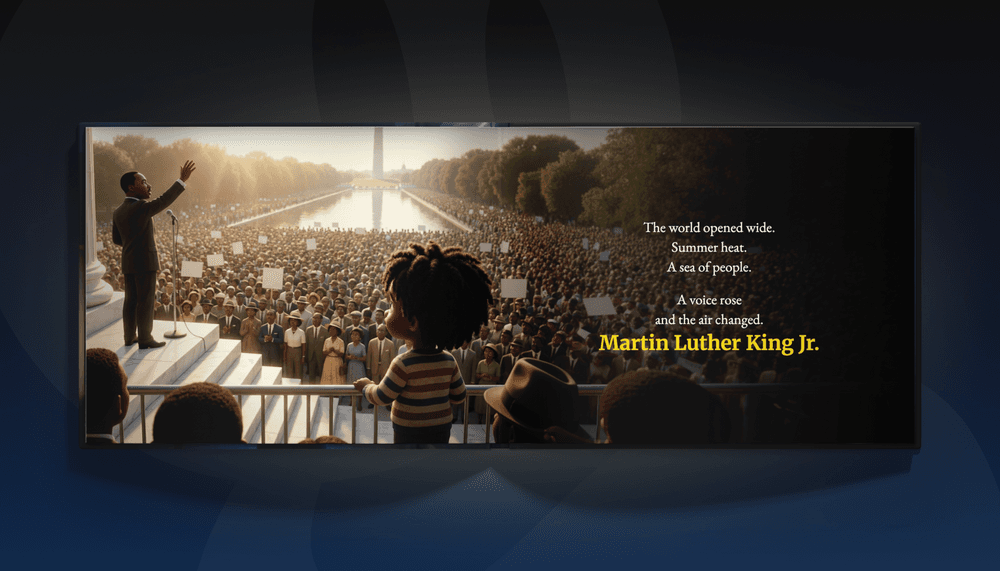
In contrast, studies using extended personalization — children's names and photos and meaningful personal details — produced significant positive effects across multiple measures: higher word acquisition, more smiling and laughter, increased verbal participation, enhanced emotional connection, and better retention.
The takeaway for parents is straightforward: when choosing personalized books for kids, look for books that go beyond the name. The more authentically your child sees themselves reflected in the story — their real appearance, their world, their experiences — the more they benefit.
Five Research-Backed Benefits of Personalized Children's Books
Based on the accumulated research, here's what quality personalized storybooks actually deliver:
1. Stronger Vocabulary Acquisition
Children acquire more new words when those words appear in personalized contexts. Custom children's books introduce vocabulary in a familiar, personally relevant environment, which research shows leads to higher retention and comprehension. This benefit is strongest in print formats — Kucirkova's research found that the vocabulary advantage held for print personalized books but was less pronounced in digital formats.
2. Deeper Reading Engagement
Personalized books consistently produce higher engagement across every metric researchers have measured: more smiling, more laughter, faster page-turning, more questions asked, and longer sustained attention. Children don't just read these books — they interact with them.
3. Self-Esteem and Confidence Building
When children see themselves as protagonists solving problems, overcoming challenges, and succeeding, it creates a powerful psychological experience of competence and agency. Personalized picture books reinforce the message that the child is capable, valued, and central to their own story — a foundation for healthy self-image.
4. Richer Parent-Child Bonding
One of the most striking findings from Kucirkova's observational studies was that personalized books shifted the dynamic between parent and child. Instead of a one-sided reading experience where the parent narrates, personalized books created more reciprocal dialogue — more conversation, more shared laughter, more genuine connection. For parents looking for screen-free bonding time, few tools are as effective.
5. Representation That Matters
Every child deserves to see themselves in the stories they read. Personalized books with your child's name and realistic visual representation offer something that mainstream publishing often can't — the guarantee that your child is seen, reflected, and centered in literature. Research suggests this may be particularly meaningful for children historically underrepresented in children's media.
What to Look for When Choosing a Personalized Book
The market for personalized children's books is booming, which means the quality varies dramatically. If you want a curated shortlist, see our roundup of the best personalized children's books of 2026. Otherwise, here's what to evaluate:
Depth of personalization. Does the book only insert a name, or does it incorporate the child's actual appearance? The more meaningful the personalization, the stronger the benefits. Look for brands that create a unique visual representation of your child — not just a template with swapped hair colors.
Illustration quality. Your child will return to this book again and again. Beautiful illustrations aren't just aesthetically nice — they signal to children that their story matters enough to be rendered with care. The gap between mass-produced clip art and professional-grade illustration is enormous.
Story quality and educational value. Personalization enhances engagement, but the story itself still needs to be well-written with genuine educational or emotional depth. The best personalized storybooks are designed around specific developmental goals — emotional intelligence, resilience, curiosity, kindness — not just as vehicles for a name.
Age-appropriateness. Personalized books for kids work best between ages 2 and 10, which is when children are most responsive to narrative-based learning and identity formation. Within that range, look for stories matched to your child's specific developmental stage.
Print over digital (when possible). Research suggests that the vocabulary acquisition benefits of personalized books are stronger in print formats. A beautifully printed book also becomes a keepsake — something your child can hold, return to, and eventually share with their own children.
How Does Magic Story Take Personalization to the Next Level?
Among personalized book brands — see how it stacks up in our review of the 5 best personalized book companies for kids in 2026 — Magic Story represents a photo-based approach to personalization. A child's photo becomes a recognizable illustrated character who appears throughout a cinematic story rather than only as a name in the text.
Unlike most personalized books for kids that simply insert a name into pre-existing illustrations, Magic Story builds each book's illustrations around the child's actual appearance. The result is a book where the child genuinely recognizes themselves as the hero — exactly the kind of authentic identification that research shows drives engagement and learning.

With 24+ titles across six categories — Understanding Emotions, Facing Fears, Celebrating Self, Building Friendships, Exploring Curiosity, and Learning Kindness — every story is designed around a specific developmental milestone. Books like The Emotion Emporium help children understand their feelings, The Dream Carriers celebrates identity and heritage, and Marco and the Very Scary Show and Tell helps kids work through social fears.
Rated 4.9 out of 5 by over 3,000 parents and loved by more than 150,000 families, Magic Story is one of the top-rated personalized children's book companies available today.
If your child could benefit from seeing themselves as the hero of a beautifully illustrated, research-aligned story, a book built around substantive personalization — not just a name — is worth seeking out.
What the Future Holds for Personalized Children's Books
The personalized children's book market is expected to grow at 7.1% annually through 2032, and for good reason. As parents become more intentional about the media their children consume, the demand for books that are meaningful, educational, and deeply personal will only increase.
The category has grown rapidly, particularly for titles offering photo uploads and custom avatars — a signal that parents increasingly understand what the research confirms: the more authentically a child sees themselves in a story, the more that story can do for them.
The best personalized books aren't just gifts. They're tools for building vocabulary, confidence, and the kind of reading habits that can last. And in a world of endless screens and algorithmic content, a physical book with your child illustrated throughout the story becomes a keepsake a family can return to.
Every story your child reads shapes how they see the world. Personalized children's books help them see themselves in it.
Frequently Asked Questions
Do personalized children's books actually help kids learn?
Yes — peer-reviewed research published in First Language (2014) found that preschoolers acquired significantly more new vocabulary words from personalized sections of books compared to non-personalized sections. The benefit is strongest when personalization goes beyond the child's name to include their real appearance and personal details.
What age are personalized books best for?
Personalized children's books are most effective for ages 2-10, which is the developmental window when children are most responsive to narrative-based learning and identity formation. The self-reference effect — the cognitive mechanism that makes personalization powerful — has been documented in children as young as 2 years old.
Is it worth getting personalized books, or are regular children's books just as good?
For engagement and vocabulary building, research shows personalized books outperform non-personalized ones — including children's own favorite books. However, the personalization needs to be substantive (incorporating the child's real appearance, not just their name) to produce meaningful benefits. Quality personalized storybooks complement, rather than replace, a diverse reading library.
What's the difference between a personalized book that just adds a name and one with real customization?
Research distinguishes between 'nominal' personalization (name only) and 'substantive' personalization (name, photo, appearance, personal details). Studies show that name-only personalized books produce no measurable benefit over generic books, while substantively personalized books show significant gains in vocabulary, engagement, and emotional connection.
What makes Magic Story different from other personalized book companies?
Magic Story goes beyond inserting a child's name into generic illustrations. A photo becomes a recognizable character who appears throughout a cinematic story, placing the child inside a real plot about a feeling, relationship, fear, question, or brave choice.
Are personalized books better in print or digital format?
Research from Kucirkova and colleagues suggests that the vocabulary acquisition benefits of personalized books are stronger in print formats. While digital personalized books still boost engagement, children learned approximately equal amounts of new words from personalized and non-personalized digital books — a difference that didn't appear in print. For maximum learning benefit, print personalized books appear to have an edge.
How do personalized books help with my child's self-esteem?
When children see themselves as protagonists solving problems and overcoming challenges in a story, it creates a psychological experience of competence and agency. Personalized picture books reinforce the message that the child is capable, valued, and central to their own narrative — building the kind of self-image that supports confidence in real life.


