How Personalized Books for Toddlers Supercharge Brain Development (And Make Story Time Magic)

Magic Story
11 min read | February 27, 2026

Mia, age two, had never once sat still for a bedtime story. While her older brother could lose himself in Where the Wild Things Are for twenty minutes straight, Mia treated every book like a prop to throw. Her mom Sarah tried everything, funny voices, picture books with textures, even singing the words. Nothing stuck. Then one evening, Sarah opened a book and read the first line aloud: "Once upon a time, there was a little girl named Mia..." Her daughter froze mid-toss. "That's me," Mia whispered, pointing at the page. For the next eight minutes, an eternity in toddler time, Mia sat still, completely mesmerized. That night, something shifted.
If you've ever wondered whether personalized books for toddlers are worth the investment, or whether seeing their own name on the page actually makes a difference in your child's brain development, this guide is for you. Spoiler: the science is pretty remarkable.
Ready to see your child's face light up?
Explore All Magic Story Books →
Why Toddlers Zone Out on Generic Stories
Standard picture books are designed for the masses, which means they're designed for no one in particular, including your child.
When a toddler opens a traditional storybook and sees a generic character named "Sam" or "Emma," there's no immediate neural connection to their own identity. The story is entertaining, sure. But that crucial sense of "this is about me" is missing.
This matters most during the toddler years (ages 1–3), when attention spans are measured in minutes and self-awareness is just beginning to bloom. Toddlers are egocentric learners, and that's not a flaw, it's a feature of normal development. They're wired to pay closest attention to things directly related to themselves: their name, their face, their experiences, their family.
A generic book competes against this hard-wired self-focus. But personalized books for toddlers? They speak directly to what your child's brain is already tuned to hear.
The Neuroscience of Personalized Books for Toddlers
Here's what happens in a toddler's brain when they encounter a personalized book.
When a young child sees their own name in print, two powerful neural systems activate simultaneously. The self-recognition network lights up first, this is the part of your toddler's brain that's learning to distinguish between "me" and "not me." Research shows that when children see their own name, activity in the prefrontal cortex increases significantly. The brain registers: This is about me.
The attention and reward systems follow closely behind. Reading their own name triggers a dopamine release, the same neurotransmitter associated with pleasure and motivation. Your toddler's brain essentially says, "This is interesting. This matters. Keep paying attention."
When these systems activate together, your child's ability to sustain attention deepens dramatically. They're not just looking at a picture book, they're engaging in what psychologists call self-referential processing: actively connecting the story content to their own identity and experiences. Studies comparing generic and personalized books show children demonstrate significantly longer attention spans, better recall of story details, and higher engagement when reading personalized versions.
Ready to see your child's face light up?
Explore All Magic Story Books →
How Personalized Books Build Toddler Vocabulary and Early Literacy
Vocabulary acquisition in toddlers doesn't happen passively. It happens through engagement, repetition, and, crucially, through emotionally significant experiences.
When your 18-month-old hears a new word in a generic story, their brain files it away in the "interesting but not urgent" folder. But when that same word appears in a story where they're the main character? The brain processes it differently. It becomes attached to something meaningful, their own narrative, their own experience.
This is called the self-relevance effect, and it's one of the most robust findings in learning science. Information connected to the self is encoded more deeply, remembered longer, and retrieved more easily.
Beyond vocabulary, personalized books support early literacy development more broadly. They strengthen print concepts (learning that words carry meaning), build phonemic awareness (recognizing sounds, especially in their own name), increase motivation to read, and develop narrative comprehension. All of these are foundational skills for the reading development that happens in preschool and kindergarten.
This is why toddler vocabulary development is so powerfully supported by reading experiences where the child is emotionally invested in the story from the very first page.
The Engagement Difference: Why Toddlers Sit Still for Their Own Story
If you've ever tried to get a toddler to sit through a book they're not interested in, you know: engagement is everything. A toddler won't force themselves to focus because it's "good for them." They need to want to sit there.
Personalized books for toddlers create that genuine desire in a way generic books struggle to replicate. Toddlers are fascinated by themselves. Walk into any toddler classroom and watch what happens when you take a photo. Every child wants to see it. Their own face, their own voice, their own actions, these are endlessly fascinating.
A personalized book taps directly into this natural fascination. Instead of asking your toddler to care about a character named "Lucy" who lives somewhere fictional, they're being asked to engage with a character who is them.
Parents frequently report that their toddler will request the same personalized book multiple times, something that rarely happens with generic books. That repetition is gold for toddler learning. Every time your child hears the story, the neural pathways strengthen. Language becomes more automatic. Comprehension deepens.
Ready to see your child's face light up?
Explore All Magic Story Books →
Which Personalized Books Work Best for Toddlers?
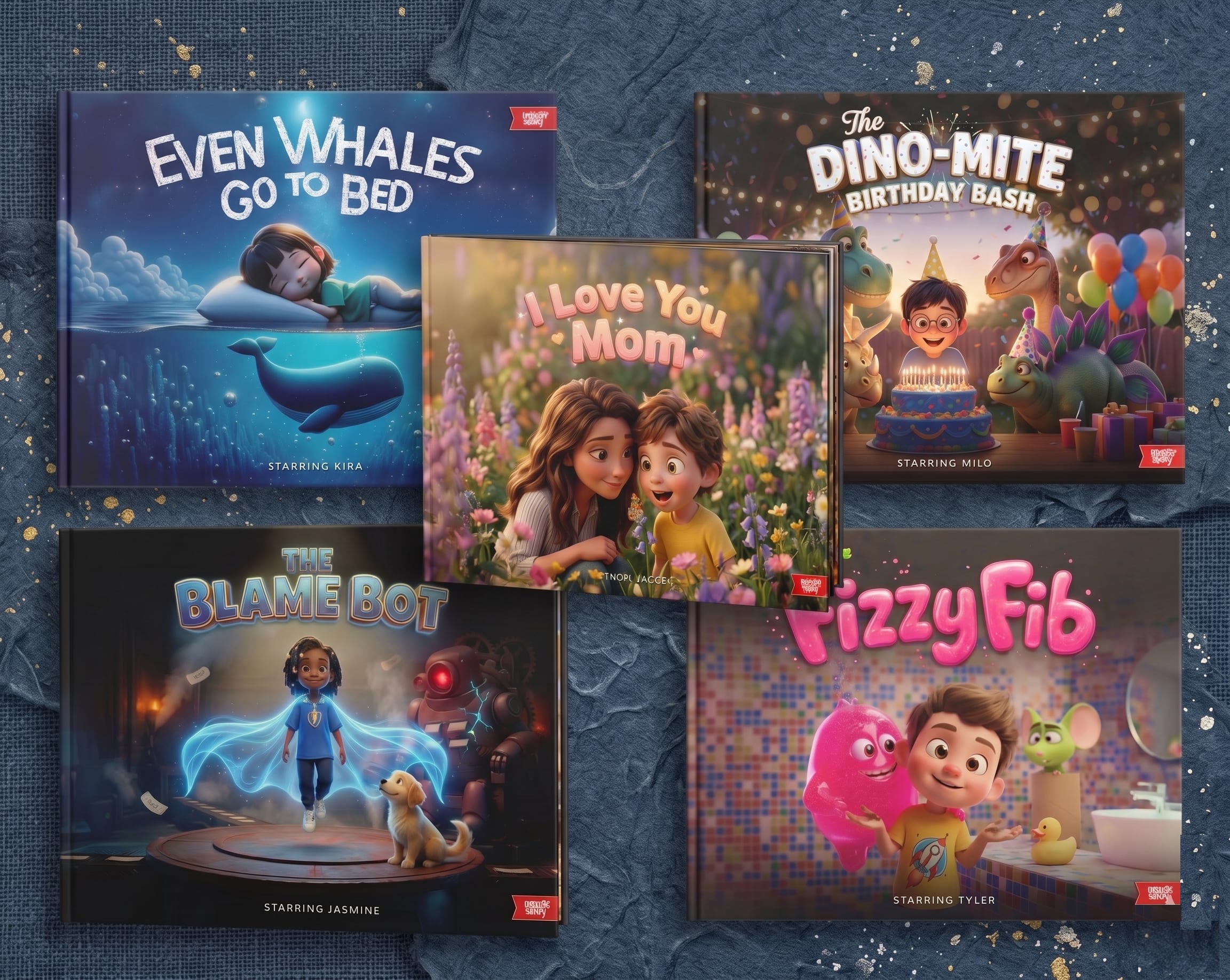
Not all personalized books are created equal. Some focus purely on novelty, inserting a child's name into an otherwise generic story, while others weave the child's identity throughout the entire narrative. For maximum impact on toddler brain development and engagement, you want the latter.
Here are three Magic Story books that hit all the right notes for toddlers:
Even Whales Go to Bed

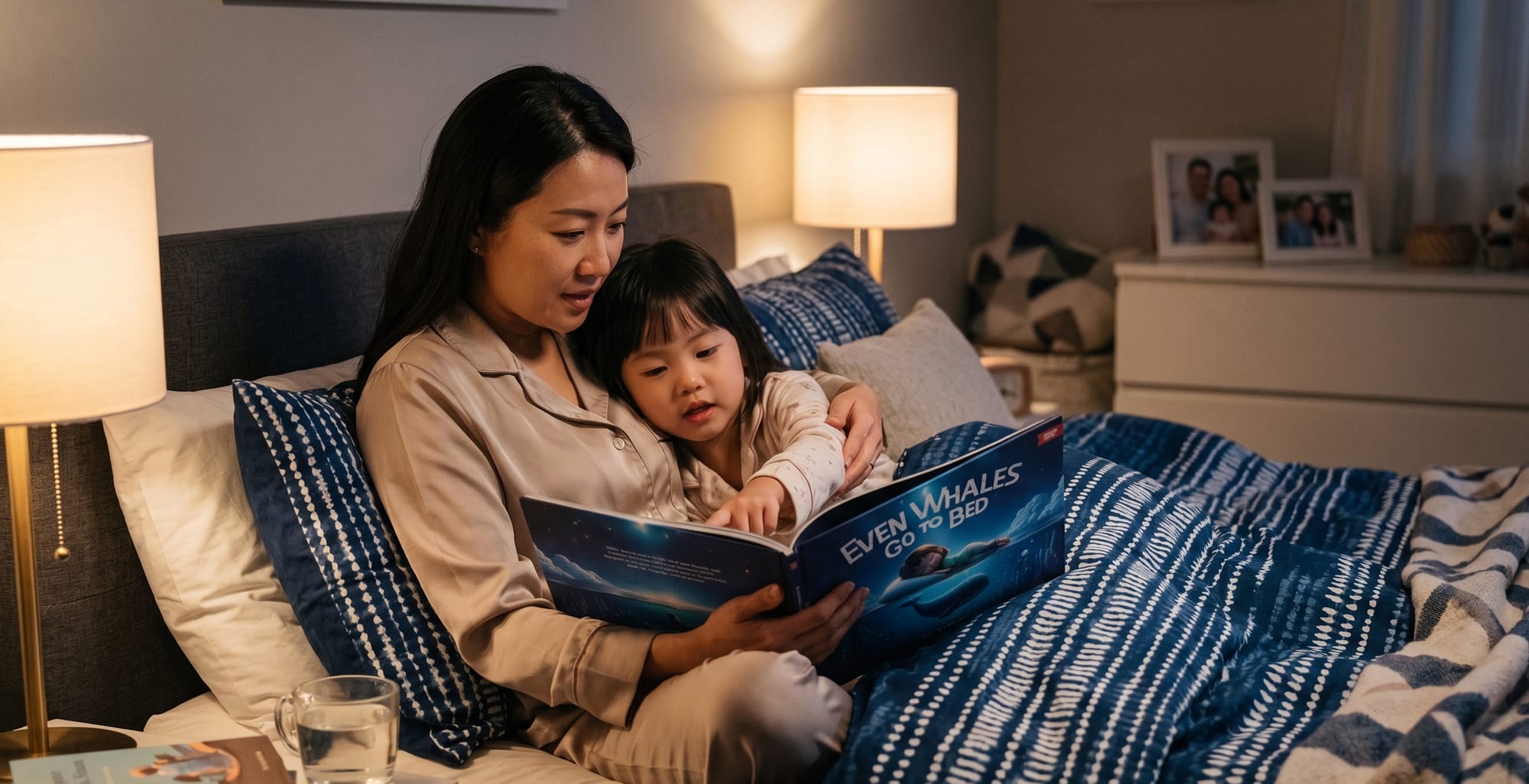
Sleep battles are part of toddlerhood, and one of the most practical applications of personalized books is helping toddlers accept bedtime routines. Even Whales Go to Bed features your child alongside animals learning to settle down for sleep. The message is powerfully simple: big, strong creatures go to bed, and so do you.
For toddlers who resist bedtime, seeing themselves in a calming story sends a neurological signal that sleep is normal, safe, and part of a universal rhythm. Many parents find that this personalized bedtime book becomes the trigger that shifts a toddler from "I won't sleep" to "time for my story and my bed."

Ready to see your child's face light up?
Explore All Magic Story Books →
There's No Such Thing as Monsters

Fear of the dark is developmentally normal for toddlers (typically emerging around 18–24 months), but it can be exhausting for parents and genuinely distressing for the child. There's No Such Thing as Monsters addresses this fear directly by positioning your child as brave and capable.
By seeing themselves in a story where they face and overcome fear, toddlers experience what psychologists call vicarious learning. They're learning fear-management strategies from a character they deeply identify with: themselves. This approach is far more effective than simple reassurance because it engages the narrative-processing part of the brain. Your child doesn't just hear that fears aren't real, they see themselves handling fear competently.
Me and Spark Aren't Afraid of the Dark

This story pairs personalization with the companion character "Spark," creating a two-fold engagement strategy. Your child is the hero, and they have a supportive friend for the journey. This is especially powerful for toddlers who are beginning to develop empathy and understand social relationships. They see themselves being brave while supporting and being supported by a friend. It's learning about courage, friendship, and emotional regulation all at once.
Ready to see your child's face light up?
Explore All Magic Story Books →
Practical Tips to Make Story Time Count with Your Toddler
Giving your toddler a personalized book is step one. Getting the maximum benefit requires a bit of intentional practice.
Read it multiple times. The first reading is about novelty, your toddler discovering their name in print. But the magic happens on readings two, three, and ten. Repetition builds neural pathways. Don't worry if your toddler wants to read the same personalized book fifty times. That's exactly what their developing brain needs.
Pause and point. As you read, pause occasionally and point to your child's name or illustration. Ask simple questions: "Is that you? What are you doing?" This adds an interactive layer that keeps engagement high.
Connect the story to real life. If the personalized book features your child going to the park or visiting a grandparent, make the connection explicit: "Remember when you did that? Just like in your book!" This bridges the story world and the real world, deepening comprehension.
Make it part of your routine. Consistency matters for toddlers. If every bedtime includes a personalized story, it becomes a predictable, comforting ritual. This security actually enhances learning because your toddler's brain isn't distracted by unpredictability.
Frequently Asked Questions About Personalized Books for Toddlers
Are personalized books worth it for toddlers?
Yes, especially during the critical window of language development (ages 1–3). While personalized books cost more than generic alternatives, the engagement boost and learning acceleration often justify the investment. Most parents report that their toddler reads personalized books far more frequently and with deeper attention than generic books. Beyond learning benefits, the memory value is significant, personalized books become keepsakes that grow with your child.
What age are personalized books best for?
Personalized books work from infancy through early elementary school, but they're especially impactful for toddlers (ages 1–3). This is when self-awareness is developing and early literacy skills are emerging. Many families also give them as milestone gifts throughout the toddler and preschool years.
Do personalized books actually help with reading development?
Research supports this emphatically. Studies on personalized reading materials show improved engagement, better vocabulary retention, stronger comprehension skills, and increased motivation to read compared to generic books. The self-referential nature of personalized books creates deeper neural encoding, meaning the learning "sticks" better.
How do I choose the right personalized book for my toddler?
Start with your toddler's current challenges or interests. Is bedtime a battle? Even Whales Go to Bed addresses that directly. Is your toddler afraid of the dark? There's No Such Thing as Monsters or Me and Spark Aren't Afraid of the Dark tackle that fear through narrative. Consider your toddler's learning style, do they respond to animal companions, adventure narratives, or calming bedtime themes?
Can personalized books help with toddler bedtime routines?
Personalized bedtime books are remarkably effective for sleep routines. When a toddler sees themselves in a calming story about sleep, it provides emotional reassurance and models the behavior you're encouraging. The repetition and predictability of a nightly personalized story helps regulate the nervous system and signals to your toddler's brain that sleep is coming.
Key Takeaways
-
Personalized books leverage how toddlers actually learn, through self-focused, emotionally engaging experiences.
-
They accelerate language development, self-relevant information is encoded more deeply in memory.
-
Engagement is where learning happens, personalized books hold toddler attention significantly longer than generic alternatives.
-
Multiple readings maximize benefits, the learning happens through repetition, not novelty.
-
They solve real parenting challenges, bedtime resistance, fear of the dark, and anxiety all respond well to personalized story solutions.
-
The memory value is priceless, years later, your child will treasure the books that made them the hero of their own story.
Your toddler is already fascinated by themselves, by their name, their face, their place in the world. A personalized book harnesses that fascination for learning and development.
Create a personalized book for your child today
Choose from our full collection of beautifully illustrated stories where your toddler is always the hero.
Want stories delivered regularly? Magic Story+ is a subscription that sends a new personalized book to your door each month, ensuring your toddler always has a fresh, engaging story about themselves to explore and reread. It's the gift of literacy, and the gift of seeing your child as the hero of every chapter.