Screen-Free Activities for Kids That Actually Work: A Parent's Guide to Less Screen Time

Magic Story
12 min read | February 14, 2026

Screen-Free Activities for Kids That Actually Work: A Parent's Guide to Less Screen Time
Sarah's six-year-old, Marcus, is zoned out on his iPad againâthe third time today. When she gently suggests putting it away, he melts down: tears, shouts, the whole production. She feels the familiar guilt. So she tries the obvious: confiscating the tablet entirely. Cue the meltdown to end all meltdowns. But then something shifts. Instead of focusing on what Marcus can't do, Sarah discovers the real trick: it's not about removing screensâit's about replacing them with something so engaging, so irresistible, that he forgets to ask for the iPad in the first place.
Why Screen-Free Time Matters More Than Ever
We're living through a moment of genuine parental reckoning with screens. In 2026, more parents are questioning "how much is too much," and the numbers backing their concerns are hard to ignore.
The smartphone delay movement has gained serious traction, with parents like those at Waitlist collectively keeping devices away longer. Meanwhile, Jon Haidt's research in The Anxious Generation connects heavy screen useâespecially social mediaâto rising rates of childhood anxiety and depression. Australia just banned social media for under-16s, schools worldwide are implementing phone bans, and pediatricians are increasingly pointing to screens as a factor in shortened attention spans, disrupted sleep, and reduced creativity.
But here's what matters most to you as a parent: kids who spend significant time away from screens show measurable improvements in focus, sleep quality, emotional regulation, andâperhaps most importantlyâimaginative play. Their brains aren't hijacked by algorithms designed to keep them scrolling. They have space to get bored, and in that boredom, creativity blooms.
The question isn't whether screens are "bad"âit's whether we're letting them crowd out the experiences that actually build resilience, confidence, and joy in childhood.
The Secret: Don't Subtract Screens â Add Better Alternatives
Here's the psychology that changes everything: kids don't resist activities; they resist deprivation. When you say "no screen time," you're highlighting what they're losing. When you say "we're doing something even better instead," you're offering a trade, not a punishment.
The frame matters enormously. A child told "you can't have your tablet" experiences it as punishment and loss. A child told "let's build something incredible together" or "I found a book where YOU'RE the main character" experiences it as an upgrade.
This isn't manipulationâit's meeting kids where they actually are. They want engagement. They want to feel capable and seen. They want their brains stimulated and their imaginations lit up. Screens deliver a quick hit of all those things. Your job isn't to say "no" to screens; it's to say "yes" to better things, with enough consistency and enthusiasm that screens become less necessary.
Screen-Free Activities That Actually Engage Kids
Creative Play: Art, Building, and Imagination
Grab some paper, markers, clay, or building blocks, and step back. Real creative playâthe kind where kids build something they've imagined, not following a tutorialâactivates neural pathways that screens rarely touch. Kids lose track of time. They problem-solve. They experience genuine pride in creating something from nothing.
Set up an art station with supplies easily accessible. Stock a building corner with blocks, Lego, or loose parts (cardboard tubes, wooden blocks, fabric scraps). The friction of access mattersâif art supplies are hidden away, kids default to screens. If they're visible and inviting, kids gravitate toward them.
The magic happens in open-ended creation, not structured crafts. A jar of paint and blank paper beats a paint-by-numbers every time.
Reading and Storytelling: Where Personalization Changes Everything
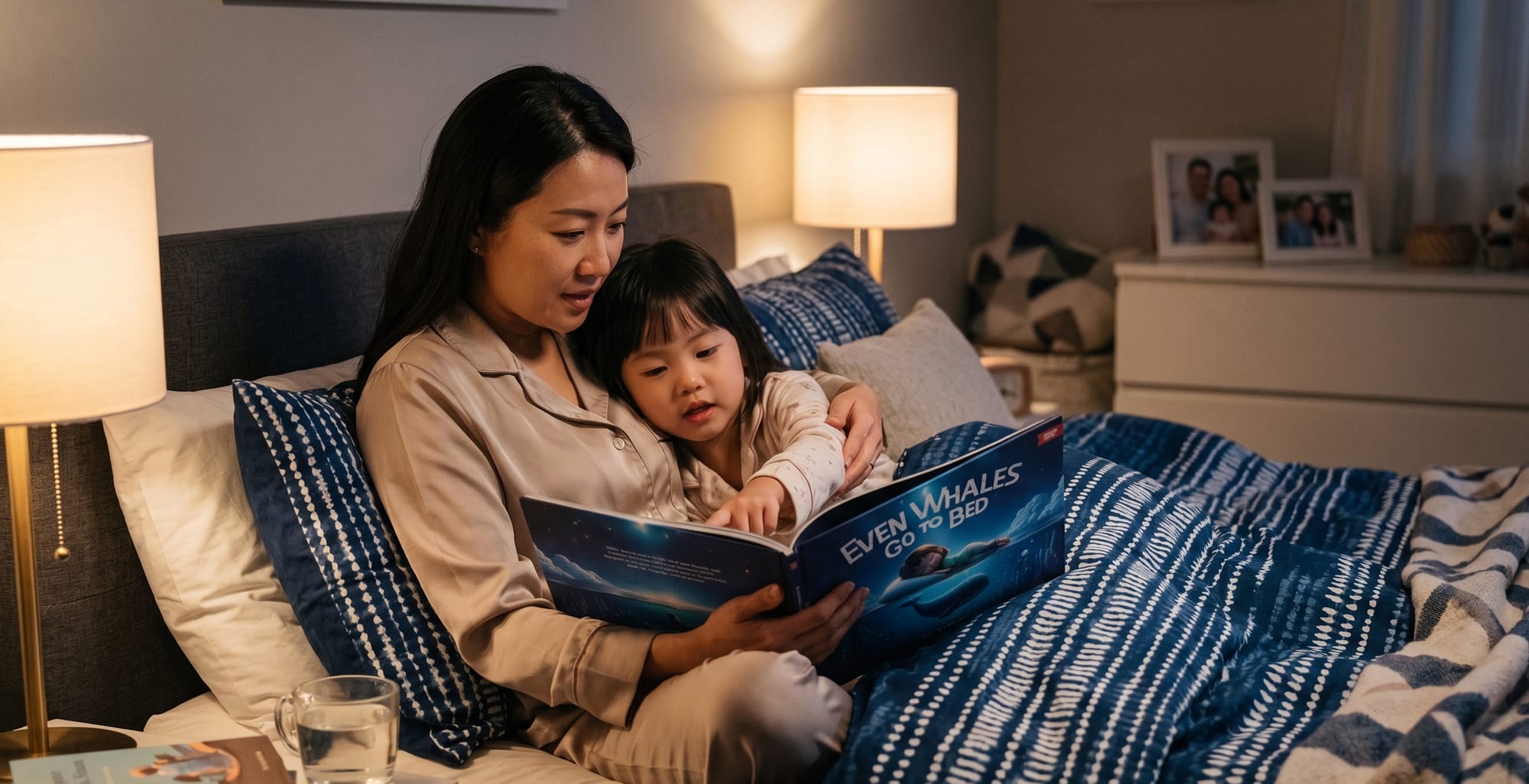
Traditional screen alternatives often lose to screens because they feel static by comparison. But personalized books are different. When a child opens a book and sees their own face as the main character, when they read their own name woven through the story, when the narrative speaks directly to themâsuddenly, that book competes with any screen.
This is where products like Magic Story's personalized books create a genuine advantage. Emotion Emporium lets kids see themselves as characters learning to navigate big feelingsâsomething many children struggle with. Rather than a generic story about emotions, it's their story about emotions. Zen and the Storm Inside teaches mindfulness and emotional regulation in a way that feels personal and immediate. And Chroma and the Neverending Colorverse sparks creative imaginationâkids don't just read about a colorful world; they see themselves inside it.
The personalization factor is crucial. Kids have grown up with interactive screens. A static book feels passive until that book contains them. Then suddenly, it's more engaging than a scroll feed.
Beyond personalized books, embrace read-aloud time. Let kids pick stories. Audio books during car rides or while doing chores keep stories alive without a screen. Encourage kids to create their own storiesâdrawing, dictating, or (for older kids) writing them down. A child who tells stories has entered their own imaginative world in a way a passive screen viewer rarely does.

Outdoor Adventures: Nature as the Best Screen
Nature is endlessly engaging. A simple walk becomes a treasure hunt. A backyard becomes an ecosystem to explore. Mud, sticks, grass, bugsâthe unstructured sensory experience of being outside does things that screens can't replicate.
You don't need destination adventures. A neighborhood walk with a specific mission ("find five different leaves") engages differently than aimless wandering. A backyard scavenger hunt ("collect something smooth, something rough, something that smells good") keeps kids focused and exploratory. Gardeningâeven in pots on a patioâteaches cause and effect as kids watch seeds grow.
The key is minimal structure and maximum sensory input. Kids are naturally curious about the natural world; screens compete for that curiosity by offering stimulation without effort. Outdoors, they have to look, listen, touch, and think.
Cooking and Baking Together: Process Over Perfection
Bring kids into the kitchen. Real cookingânot a children's cooking kit, but actual family mealsâteaches math (measuring, fractions), science (how heat changes ingredients), and executive function (following sequences). Plus, there's immediate gratification: something delicious at the end.
Let younger kids stir, pour, measure, and taste. Let older kids read the recipe, problem-solve when something goes wrong, and take on real responsibility. Yes, it's messier and slower. That's the point. The frictionâthe attention requiredâis exactly what makes it engaging without being addictive.
Baking especially captures kids' interest because the results are usually sweet and shareable. A child who baked cookies has created something real and tangible, something that tastes good and makes people happy. That's powerful.
Movement and Music: Getting Bodies Involved
Screen time is sedentary by design. Movement-based screen-free activities flip that entirely. A dance party (crank the music and move however feels good) requires zero setup and engages kids completely. An indoor obstacle course made from couch cushions, blankets, and tape lines challenges their bodies and minds simultaneously. Learning to play an instrumentâeven simple ones like ukulele, drums, or keyboardâactivates different brain regions than screens.
The beautiful thing about movement is that it naturally burns energy, improves mood through endorphins, and makes kids tired in a way that actually supports good sleep (screens do the opposite).

Building Screen-Free Routines That Stick
See Your Child as the Hero - Free Preview
Knowing what activities work is one thing. Actually building them into daily life is another. Here's how to make it sustainable:
Start small. You don't need to overhaul screen use overnight. One screen-free hour per day is significant. Build from there as it becomes normal.
Create a "boredom basket." Fill it with activity cards, craft supplies, building challenges, or prompts ("go on a nature hunt," "invent a game," "make a fort"). When a kid says they're bored, they pick from the basket instead of defaulting to screens. This removes the friction of deciding what to do.
Make it family time. Screen-free activities are infinitely more engaging when parents participate. Dance together. Build together. Cook together. Read aloud together. Kids learn that this is how your family spends time, and the shared attention is itself rewarding.
Rotate activities. Same activities get boring. Keep a list of screen-free options and cycle through them so novelty stays high.
Use visual schedules for younger kids. Pictures of different activities help kids anticipate what's coming and reduce the "but I want screens" negotiations. "After breakfast, we do a craft. After the craft, we go outside. After outside, we have lunch and read a story together."
Model the behavior yourself. Kids notice if you're on your phone constantly while asking them to do screen-free activities. During family time, your phone stays away. This isn't punishment for youâit's liberation. You're modeling that presence is more interesting than distraction.
How to Handle the Transition (Dealing with Pushback)
If your child has been heavy on screens, expect resistance. This is normal and doesn't mean your approach is wrong.
Expect dysregulation. In the first few days or weeks, kids might be irritable, easily frustrated, or have real tantrums. Their brains have been used to a constant stream of dopamine hits. Asking for patience is asking a lot, but consistency here matters more than avoiding discomfort.
Validate the feelings. "I know you really want your iPad. That's a real want. And we're doing something different today. I'm here with you." Acknowledging the feelingâwithout giving in to the demandâis crucial. Kids learn that feelings are okay, but boundaries are still boundaries.
Be consistent. If you sometimes say "yes, five more minutes" and sometimes hold the line, kids will push harder because they've learned that pushing sometimes works. Consistency feels punitive at first. Over time, it becomes normal, and the pushback decreases.
Expect improvement in 2-3 weeks. That's roughly how long it takes for a child's nervous system to recalibrate to a different rhythm. By week three, you'll likely see notable improvements in focus, sleep, and mood.
Frequently Asked Questions
How much screen time is too much for kids?
The American Academy of Pediatrics recommends no more than one hour per day of high-quality programming for children over six, and no screens for children under two. In practice, most families benefit from aiming for 30-60 minutes of intentional screen time daily, with all screens off at least an hour before bed. More important than a specific number is whether screen time is crowding out sleep, physical activity, face-to-face interaction, and creative play.
What age should kids start having screen-free time?
Ideally, from day oneâbabies and toddlers don't need screens. For kids already in the habit, any age is a good time to start. Even small shifts (screen-free meals, screen-free mornings, screen-free bedtimes) create meaningful change. Starting young makes prevention easier than correction, but it's never too late to reset.
How do I keep my child entertained without screens on rainy days?
Rainy days are actually ideal for indoor activities: ambitious art projects, fort-building, cooking, reading aloud, dance parties, and board games. Stock your boredom basket with activities that feel special and are usually reserved for slower days. Having a "rainy day" section in your activity rotation helps these days feel like opportunities rather than obstacles.
What if my child throws tantrums when I limit screen time?
Tantrums are a sign the boundary is real, not that the boundary is wrong. Stay calm, avoid lecturing, and hold the line. Offer connection without capitulation: "I see you're really upset. I'm here with you. The answer is still no screen time right now, and here's what we can do instead." Consistency through tantrums is what builds new normal behavior patterns.
Are all screens bad for kids?
Not inherently. Video calls with distant family, educational content kids actively engage with, and creative tools (drawing apps, music software) can be valuable. The problem is passive consumption and the addictive design of social media and recommendation algorithms. High-quality, interactive, time-limited screen use is different from hours of scrolling.
How do personalized books help with screen-free time?
Personalized books compete with screens because they offer something screens typically can't: a narrative that centers the child as the protagonist. Seeing their own name and face in a story creates an emotional connection that generic books often lack. This personal investment keeps kids engaged in the reading experience rather than reaching for a device.
Key Takeaways
-
Replacement beats removal. Frame screen-free activities as upgrades, not punishments. Kids resist "no screen time" but embrace "we're doing something better instead."
-
Engagement is the goal. Activities that genuinely capture attentionâpersonalized books, creative play, movement, natureâmake screens less necessary.
-
Personalization matters. Books that feature the child as the hero create investment that generic content rarely does. Emotion Emporium, Zen and the Storm Inside, and Chroma and the Neverending Colorverse work because they're personal.
-
Consistency builds new habits. Expect resistance in the first few weeks. Stay calm, hold boundaries, and by week three, you'll see measurable improvements in focus, mood, and sleep.
-
Parents model the behavior. If you're checking your phone constantly while asking kids to do screen-free activities, they notice. Your presence is more powerful than your rules.
-
Start small and build. One screen-free hour per day is significant. Screen-free meals, screen-free mornings, or screen-free bedtimes are accessible entry points.
-
The goal isn't zero screensâit's balance. What matters is that screens aren't crowding out sleep, movement, creativity, face-to-face connection, and real-world play. When those needs are met, screens find their natural place: limited, intentional, and less addictive.

The story of Marcus and Sarah doesn't end with a magic fix. It ends with small, consistent changes: a family craft hour on Saturdays, a personalized book where Marcus sees himself as the hero learning to manage his emotions, more time outside, fewer screens before bed. Within weeks, the meltdowns decrease. Marcus sleeps better. His attention span lengthens. And yes, he still loves his iPadâbut it's no longer the default, the first reach, the constant companion.
That's the real win. Not zero screens, but screens in their proper place. And in the space screens used to occupy, kids like Marcus discover something better: creativity, connection, rest, and the quiet joy of being fully present in their own lives.